L. Frank Baum Quotes
He was an Indian with a white man's spirit of hatred and revenge for those who had wronged him and his. In his day he saw his son and his tribe gradually driven from their possessions: forced to give up their old hunting grounds and espouse the hard working and uncongenial avocations of the whites. And these, his conquerors, were marked in their dealings with his people by selfishness, falsehood and treachery. What wonder that his wild nature, untamed by years of subjection, should still revolt? What wonder that a fiery rage still burned within his breast and that he should seek every opportunity of obtaining vengeance upon his natural enemies.
L. Frank Baum, 1856-1919, Author, Saturday Pioneer, December 20, 1890, Article about Sitting Bull upon his death
Sourced by: Eigen's Political and Historical Quotations


While many of the Indian wars were over land or were defensive in nature, the major motivation for some wars with Indians was pure greed in that captured Indians were sold as slaves.

The Mormons, not unlike other whites at the time, in effect invaded the Indians’ land, and took possession. At first the Mormons tried to convert the Indians and when the Indians preferred their own religion, there was constant occupation of Indian land in the Salt Lake Valley.


Louis Napoleon Bonaparte. The “colonies” to which we was referring were the French Colonies in the Caribbean—particularly Haiti. The Black slaves had revolted against the slave-owners and had taken over all positions of authority and wore the uniforms and symbols of power including the epaulettes—the gold braid shoulder pieces that were symbols of high rank in military and diplomatic uniforms which were worn on all official occasions. Napoleon never did make good on his vow. He had many more problems with his own wars and governance in Europe. This quote does demonstrate the racism that existed in supposedly tolerant France.


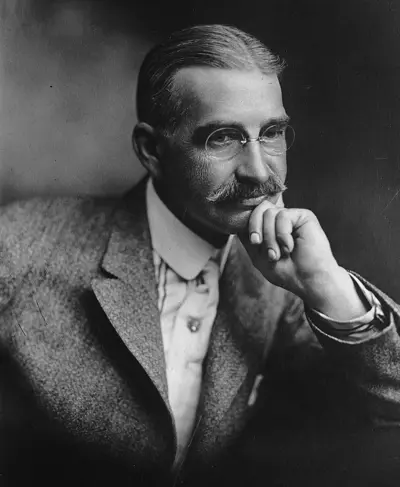
Lyman Frank Baum was an American author best known for his children's books, particularly The Wonderful Wizard of Oz and its sequels. He wrote 14 novels in the Oz series, plus 41 other novels (not including four lost, unpublished novels), 83 short stories, over 200 poems, and at least 42 scripts. He made numerous attempts to bring his works to the stage and screen; the 1939 adaptation of the first Oz book became a landmark of 20th-century cinema.
