Upton Sinclair Quotes
Great quantities of fertile land are standing idle in our State, while at the same time great numbers of men and women and children are going hungry. We intend to start today to end that condition, and to put the idle people on the idle land to produce food for themselves
The Depression had 25% unemployment and many people lacked even food to eat. Meanwhile, there was a huge amount of unused, idle land in California.
Upton Sinclair, 1878-1968, Novelist and candidate for California governor (Democrat and Socialist), Campaign Program Idea, 1934
Sourced by: Eigen's Political and Historical Quotations


Use included renting it. What he opposed was simply holding land when whites were driving Indians off their lands because all the unused land outside of the reservation was owned by someone and the asking price was very high. Ingersoll was considered to be the greatest orator and political thinker of his day, but his overt atheistic views curtailed his elected political career.


Environmentalists counter with the fact that the corporate and government interests in growth at any cost will, and have in the past, found a loophole in every reasonable compromise that has been made. Reasonableness is only a device they use to slow regulation until they can either figure out a loophole or use their great fiscal resources to shape public thinking to soften or eliminate the regulation. Therefore some environments argue that they must be as ideological about the environment as the corporations are about their rights to profit and not compromise even when a compromise appears reasonable. Besides, if the corporations always appear to win, the public will think opposing them is futile. So when they can be beaten on something that is unreasonable, they appear weaker and encourage more environmental public activism.


This was the origin of the term “Green Revolution”

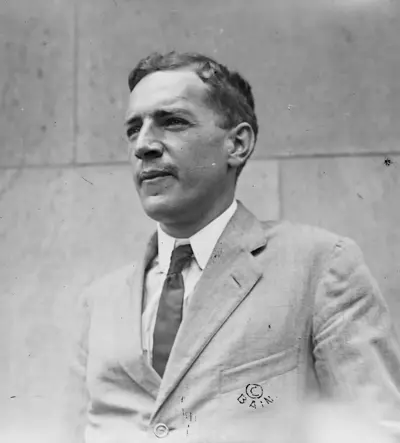
Upton Beall Sinclair Jr. was an American writer, political activist and the 1934 Democratic Party nominee for Governor of California who wrote nearly 100 books and other works in several genres. Sinclair's work was well known and popular in the first half of the 20th century, and he won the Pulitzer Prize for Fiction in 1943.
