Robert G. Ingersoll Quotes
No man should be allowed to own any land he does not use.
Use included renting it. What he opposed was simply holding land when whites were driving Indians off their lands because all the unused land outside of the reservation was owned by someone and the asking price was very high. Ingersoll was considered to be the greatest orator and political thinker of his day, but his overt atheistic views curtailed his elected political career.
Robert Green Ingersoll, 1833-1899, Attorney General of Illinois (Republican), Quoted in Seldes, The Great Quotations, Citadel, 1983
Sourced by: Eigen's Political and Historical Quotations


Nelson was referring to the past. The industrial revolution created other forms of wealth and power as a huge factory could be built on a small piece of land. In farming, the yield is proportional to the acreage tilled. Not so in manufacturing. With the knowledge era, intellectual property could produce much wealth and power, and factory size and land ownership was not necessary.


Paine, one of America’s founding fathers and the man most responsible for influencing Americans to revolt, is generally not given much attention in modern times. One of the main reasons was that his philosophy regarding land and land ownership is today considered socialist if not communist. Paine’s other views are mostly Apple pie American, but this is shocking to many Americans.


This statement was quite controversial when it was published and remains so. Many libertarians and private sector enthusiasts see giving this power to government is too much and erodes the sanctity of private property. Nonetheless, most local and state government in America subscribes to this point of view thus allowing zoning, city planning, condemnation of private property for public use and the like. In 1976 when it was promulgated, President Ronald Reagan discussed it in his weekly radio address.

inefficient crop yields per acre

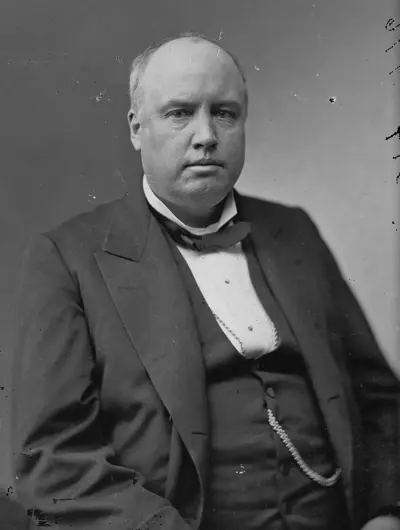
Robert Green "Bob" Ingersoll was an American lawyer, a Civil War veteran, political leader, and orator of the United States during the Golden Age of Free Thought, noted for his broad range of culture and his defense of agnosticism. He was nicknamed "The Great Agnostic". Ingersoll was considered to be the greatest orator and political thinker of his day, but his overt atheistic views curtailed his elected political career.
