Jomo Kenyatta Quotes
God said this is our land, land in which we flourish as people... we want our cattle to get fat on our land so that our children grow up in prosperity; and we do not want the fat removed to feed others.
Kenyatta, Jomo. Suffering Without Bitterness: The Founding of the Kenya Nation. East African Publishing House, 1968, p. 50.

This statement was quite controversial when it was published and remains so. Many libertarians and private sector enthusiasts see giving this power to government is too much and erodes the sanctity of private property. Nonetheless, most local and state government in America subscribes to this point of view thus allowing zoning, city planning, condemnation of private property for public use and the like. In 1976 when it was promulgated, President Ronald Reagan discussed it in his weekly radio address.


Use included renting it. What he opposed was simply holding land when whites were driving Indians off their lands because all the unused land outside of the reservation was owned by someone and the asking price was very high. Ingersoll was considered to be the greatest orator and political thinker of his day, but his overt atheistic views curtailed his elected political career.


Nelson was referring to the past. The industrial revolution created other forms of wealth and power as a huge factory could be built on a small piece of land. In farming, the yield is proportional to the acreage tilled. Not so in manufacturing. With the knowledge era, intellectual property could produce much wealth and power, and factory size and land ownership was not necessary.

See {638124} for how this Biblical passage evolved into a concept of property ownership


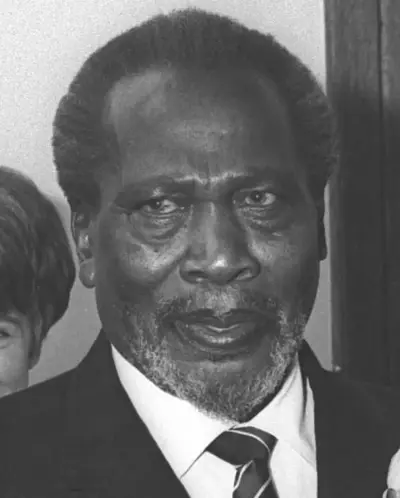
Jomo Kenyatta was a Kenyan anti-colonial activist and politician who governed Kenya as its Prime Minister from 1963 to 1964 and then as its first President from 1964 to his death in 1978. He was the country's first indigenous head of government and played a significant role in the transformation of Kenya from a colony of the British Empire into an independent republic. Ideologically an African nationalist and conservative, he led the Kenya African National Union (KANU) party from 1961 until his death.
