Ari Melber Quotes
From the Fourth Amendment to post-Watergate reforms to the national outcry when Bush's warrantless surveillance was revealed in 2005, the United States has a strong tradition of overseeing the government's power to spy on its citizens.
Melber, Ari. "Obama's FISA Flip-Flop." The Nation, 2 Jul. 2008.


Senator Church was the chairman of the committee. It’s reports (14 in all) are the most extensive documentation of U. S. intelligence ever compiled.


The agent, at J. Edgar Hoover’s instruction had approached the editor of Martin Luther King Jr.’s hometown newspaper and offered Patterson a photograph of King and a white woman in front of a motel with the “information” that King was having an affair with the woman. The agent suggested that the story was that the minster while pretending to respect Christian morality in his public persona was actually violating basic moral standards. Patterson, like any qualified editor would realize that the photograph proved nothing about an affair. There might have been other staff nearby who were not framed in the picture that the FBI agents had taken. There might have been a meeting to discuss civil rights strategy or something else. To Patterson it was unheard of that a Federal Official should try encourage a newspaper to slander an American citizen. Even if true, the Federal Role was astounding. Actually, this was a very common tactic of J. Edgar Hoover and not at all unusual. Also, although it is not known whether King was having any kind of affair with the woman in the picture, King was not a faithful husband from a sexual point of view. At the time, facts about extramarital sex were not printed about politicians and other political figures even if the journalists knew of them (as with John F. Kennedy’s many liaisons) unless they affected the person’s job or made them less effective. It is not known whether Patterson knew anything of King’s peccadillos but that kind of keyhole journalism was not practiced by serious newspapers at the time even if the pictures could be confirmed. That would be “keyhole journalism”—peeping through keyhole to invade the personal privacy of people.


Goldsmith headed the Justice Department Office of Legal Counsel—the office that makes legal opinions to guide the Federal Government’s conduct. The George W. Bush White House had decided that the War on Terror required spying on American citizens under certain circumstances but the existing laws required that in each case, they obtain a warrant from a special FISA (Foreign Intelligence Surveillance Act) Court. They were afraid that the court might not grant the warrants in all cases so in some cases ignored the requirements to go through the court. Addington and some other White House staff felt that if there was one more terrorist incident in the United States, they could pressure Congress into getting rid of the FISA court.

He was then a Senator. When he became Attorney General he not only greatly increased the amount of surveillance that was done be the Federal government, but he also asked for huge increases in government authority to read mail and conduct surveillance—increases that he had opposed when he was a Senator.

to enhance its ability to conduct surveillance
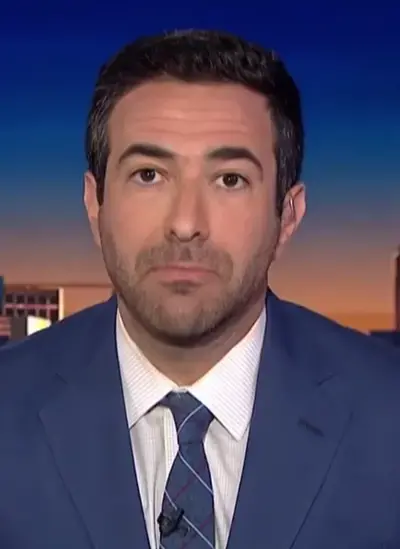
Ari Naftali Melber is an American attorney and journalist who is the chief legal correspondent for MSNBC and host of The Beat with Ari Melber.
