George-Etienne Cartier Quotes
French-Canadians have no need to be afraid of the English ... instead, let us admire their energy and perseverance; let us imitate them. To be excellent French-Canadians we need to have, along with the qualities of our race, the best qualities of the English-Canadians.
George-Etienne Cartier, 1814-1873, Leader of the Canadian Confederation movement, Speech, Montreal, October 20, 1866
Sourced by: Eigen's Political and Historical Quotations


Before the French Revolution, Jews could freely practice their own religion in France but they could not hold citizenship, become professionals, or a host of other privileges of citizenship. Clermont-Tonnerre and other liberals argued that Jews should be given citizenship. The Jacobins--conservative Catholics close to the Papacy--opposed granting citizenship to Jews or Protestants. One argument that the Jacobins gave was that each of these sects would be separate nations within France and not necessarily have French national interest as a priority. Clermont-Tonnerre gave this response which has been the French philosophy about minority citizenship since then. Their thought was that anyone may become a French citizen as an individual but he or she should do so because he/she wants to accept French values and support the French nation. This view worked quite will over the years until the large immigration of Muslims starting in the 1960s where many new immigrants just wanted to live in France and earn a living there, but did not want to identify with French national aspirations or adopt French culture or values. America, had no such demands and those immigrants who tended to identify primarily with their country or culture of origin and not assimilate were allowed to do so, but the American way of life was so attractive that many immigrants did adopt it and even if they did not, their children almost inevitably did. That has not happened in France.


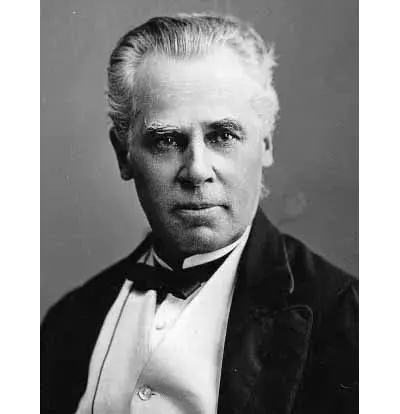
Sir George-Étienne Cartier, 1st Baronet, PC was a Canadian statesman and Father of Confederation. The English spelling of the name—George, instead of Georges, the usual French spelling—is explained by him having been named in honour of King George III.
