Zhou Enlai Quotes
For us, it is alright if the talks succeed, and it is alright if they fail.
Zhou Enlai, 1898-1976, Chinese Premier, Comment on President Richard Nixon’s visit to China, October 5, 1971
Sourced by: Eigen's Political and Historical Quotations


When there are disputes between nations, sometimes one or both of the countries take the position that the other is so wrong and immoral that to negotiate with them per se gives them a credibility which they do not deserve. So at times one or both of the opponents places preconditions on discussions. Some politicians and governments have had a belief that negotiating with and enemy is a sign of weakness, and the reality is that often the other side characterizes attempts at negotiations as an indicator that they are faring well under the theory that the other side would not negotiate if they didn’t have to. Those governments which have a policy of talking to everyone under any conditions, avoid this dilemma as talks are not a sign of anything but their normal foreign policy.

When there is a serious problem with another country and it appears that military force may have to be used, he and most sophisticated policy makers argue that we should always try diplomacy first. If that does not work, then the military option is still open. If it does work, war or other military action is always available as an option. When politicians do not want to try diplomacy, it is usually that they have an ulterior motive for war and/or military force. Some urge caution with this principle in all cases as sometimes it gives the enemy time to regroup and rearm and he gets stronger by stringing out the negotiations with no intention of a diplomatic solution. In some other cases, as Iran in the second decade of the 21st century when they were suspected of developing a nuclear weapon. The Israeli right wing and some American conservatives wanted no delay in use of military force as that might allow the Iranians to complete an operational message. President Obama and most Americans favored strong economic sanctions with diplomacy first.


Often diplomats and negotiators, coming from different cultures and different counties, and having different points of view and previous experiences, don't even have the same view of that they are there for, what is the object of their negotiations, what the problem or problems are. Sullivan observes that this often takes more time than the actual negotiations.


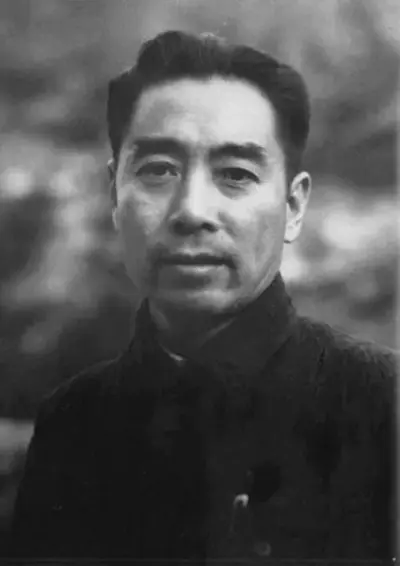
Zhou Enlai, Wade-Giles transliteration Chou En-lai, was the first Premier of the People's Republic of China. From October 1949 until his death in January 1976, Zhou was China's head of government. Zhou served under Chairman Mao Zedong and helped the Communist Party rise to power, later helping consolidate its control, form its foreign policy, and develop the Chinese economy.
