Benjamin N. Cardozo Quotes
Due process is a growth too sturdy to succumb to the infection of the least ingredient of error.
Cardozo, Benjamin N. Roberts v. City of New York. 295 U.S. 264. Supreme Court of the United States, 1935, p. 278.


Prosecutors, even ones who are frequent lawbreakers themselves violating defendant's rights or illegally manipulating trials, are reluctant to be officially found to have done so. Many politicians start their political careers as prosecutors and then rise to higher office. If it is officially found that they had abused a defendant and violated the law, it can be detrimental to their careers. So in many states, they have placed barriers making it much harder for an improperly convicted person to even get a court hearing. The cost to society however is that they are never accountable, and people have been wrongly imprisoned and cannot even get a hearing to prove that they were the victims of official misconduct. The rationale for these rules that prevent victims from obtaining fairness and justice is finality—the concept that there should be some end to the process of appeals so justice can be said to have been done. It prevents a kind of closure for many of the victims of crimes and their families if the guilty perpetrator is constantly appealing or can do so.


He was discussing the military criminal cases ongoing regarding the mistreatment of Iraqi detainees.

And let the sheriffs who have arrested them bring them before the justice without any other summons.
This assize is generally considered to be the first written specification of due process in English Common Law.


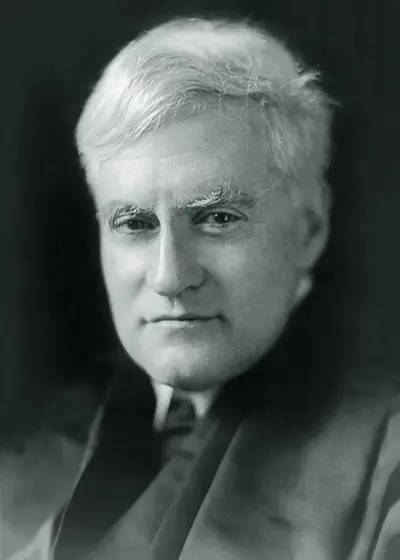
Benjamin Nathan Cardozo was an American jurist who served on the New York Court of Appeals and later as an Associate Justice of the Supreme Court. Cardozo is remembered for his significant influence on the development of American common law in the 20th century, in addition to his philosophy and vivid prose style. Cardozo served on the Supreme Court six years, from 1932 until his death in 1938. Many of his landmark decisions were delivered during his eighteen-year tenure on the New York Court of Appeals, the highest court of that state.
