John Millington Synge Quotes
Drink a health to the wonders of the western world, the pirates, preachers, poteen-makers, with the jobbing jockies; parching peelers, and the juries fill their stomachs selling judgments of the English law.
Synge, J. M. The Playboy of the Western World. Maunsel & Co., 1907, p. 29.


Dodge was a hotbed of violence, gun-fighting, drinking, gambling and prostitution. At one point they had 19 saloons serving liquor for a total population of only 1200. The Governor wrote this letter to the mayor to get things under control. The mayor, also one of the town’s successful business men, was doing very well and was apposed to changing the status quo. He wrote a return letter {587195} to the mayor to get things under control. The mayor, also one of the town’s successful business men, was doing very well and was apposed to changing the status quo. He wrote this return letter trying to convince the governor to let him deal with things. Others accused him of being in cahoots with the violent element of town and an apologist for the worst elements of the community.
Dodge was a hotbed of violence, gun-fighting, drinking, gambling and prostitution. At one point they had 19 saloons serving liquor for a total population of only 1200. The Governor wrote to the mayor demanding change but the newspaper documented what really happened.

The poem was his summary of the Wickersham Commission’s (National Commission on Law Observance and Enforcement) conclusion regarding Prohibition.


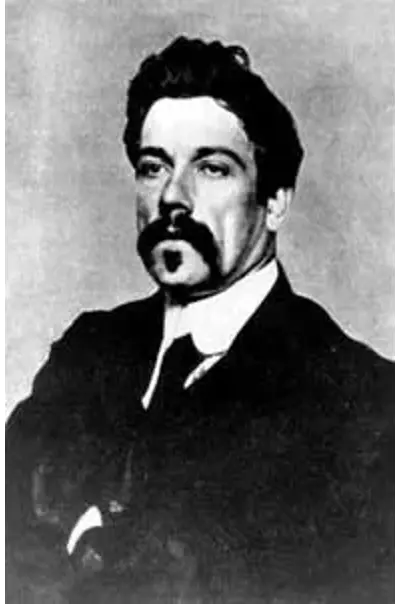
Edmund John Millington Synge was an Irish playwright, poet, writer, collector of folklore, and a key figure in the Irish Literary Revival. His best known play The Playboy of the Western World was poorly received, due to its bleak ending, depiction of Irish peasants, and idealisation of parricide, leading to hostile audience reactions and riots in Dublin during its opening run at Abbey Theatre, Dublin, which he had co-founded with W. B. Yeats and Lady Gregory. His other major works include "In the Shadow of the Glen" (1903), "Riders to the Sea" (1904), "The Well of the Saints" (1905), and "The Tinker's Wedding" (1909).
