Scilla Elworthy Quotes
Dialogue is a non-confrontational communication, where both partners are willing to learn from the other and therefore leads much farther into finding new grounds together
Elworthy, Scilla, and Gabrielle Rifkind. Making Terrorism History. Random House, 2006.


When there are disputes between nations, sometimes one or both of the countries take the position that the other is so wrong and immoral that to negotiate with them per se gives them a credibility which they do not deserve. So at times one or both of the opponents places preconditions on discussions. Some politicians and governments have had a belief that negotiating with and enemy is a sign of weakness, and the reality is that often the other side characterizes attempts at negotiations as an indicator that they are faring well under the theory that the other side would not negotiate if they didn’t have to. Those governments which have a policy of talking to everyone under any conditions, avoid this dilemma as talks are not a sign of anything but their normal foreign policy.


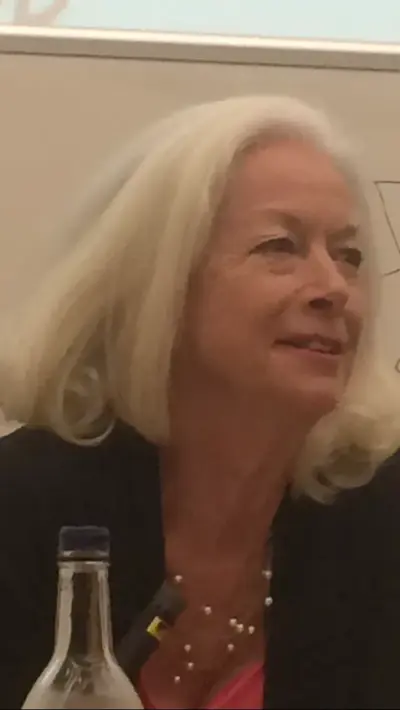
Priscilla "Scilla" Elworthy is a peace builder, and the founder of the Oxford Research Group, a non-governmental organisation she set up in 1982 to develop effective dialogue between nuclear weapons policy-makers worldwide and their critics, for which she was nominated three times for the Nobel Peace Prize. She served as its executive director from 1982 until 2003, when she left that role to set up Peace Direct, a charity supporting local peace-builders in conflict areas. In 2003 she was awarded the Niwano Peace Prize. From 2005 she was adviser to Peter Gabriel, Desmond Tutu and Richard Branson in setting up The Elders. She is a member of the World Future Council and in 2012 co-founded Rising Women Rising World, a community of women on all continents who take responsibility for building a world that works for all.
