Robert McChesney Quotes
Deregulation is a popular term that's used across the political spectrum. And it's one of these terms like "choice," that corporate interests have used because they know their focus-group buzzword testing makes it sound like a popular word. Because, who can be against deregulation? Being free, having liberty, not having someone tell you what to do, being deregulated, hey, that sounds great. But deregulation is a non sequitur in the realm of media policy or media regulation. The issue is never regulation versus deregulation; our entire system is built on media policies and subsidies.
McChesney, Robert W. The Problem of the Media: U.S. Communication Politics in the Twenty-First Century. Monthly Review Press, 2004.

in the Meltdown of 2008 Gramm was one of the most ideological deregulators in Congress. As the Meltdown of 2008 hit, he immediately made this statement when few people even knew the extent of what had happened, much less why it happened. Gramm’s instant absolution of deregulation as one of the causes is a classic case of denial. There were few economic issues of controversy that did not contribute to the totality of causes. And a few years later Gramm was one of the very few ideologues who still believed that deregulation did not have a role in the Meltdown and the Great Recession that followed. For a contrast from the expert in his own party, see {638023}.


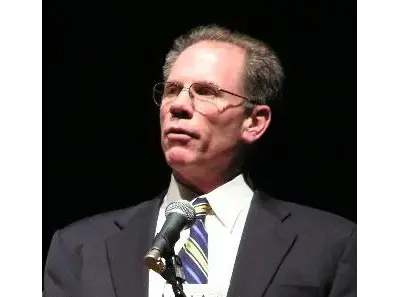
Robert Waterman McChesney is an American professor notable in the history and political economy of communications, and the role media play in democratic and capitalist societies. He is the Gutgsell Endowed Professor in the Department of Communication at the University of Illinois at Urbana–Champaign. He co-founded the Free Press, a national media reform organization. From 2002–12, he hosted Media Matters, a weekly radio program every Sunday afternoon on WILL (AM), Illinois Public Media radio.
