W. Averell Harriman Quotes
Conferences at the top level are always courteous. Name calling is left to the foreign ministers.
W. Averell Harriman, 1891-1986, U. S. Ambassador to Russia and to England, New York Governor (Democrat), U.S. Ambassador-at-Large, U. S. Secretary of Commerce, August 1, 1955
Sourced by: Eigen's Political and Historical Quotations

His interviewer had asked him what he, as a cultural critic and a political essayist, thought of Donald Trump’s campaigning style.


There was a social custom amongst the wealthy women of early American society where if they were moving to a new town, they would present their cards to the established female residents, who would then visit the newcomer at her home. Dolley Madison, anxious to bring some social civilization to Washington, still a rough swamp area, went out of her way to visit all comers and the Cabinet (Department) wives then did the same. However, as the government and Washington grew, this became more and more difficult, and subsequent first ladies wanted more of their privacy and time devoted to family. As America grew in importance, more counties sent ambassadors to Washington, and their wives all expected to be visited and invited. See {620648} for more on the “obligations” of a first lady and cabinet wives.


China had not strengthened is military as Empress Cixi had desired--{641697}. The result was a very weak country that other nations took advantage of and bullied their way to the most extraordinary concessions. This in turn, made the foreign diplomats lose respect for the Chinese officials with whom they dealt and many were treated with disrespect and abuse—like servants. This outraged influential, traditional, conservatives like Weng and began to develop the foundation of the anti-Western Boxer Movement in China.


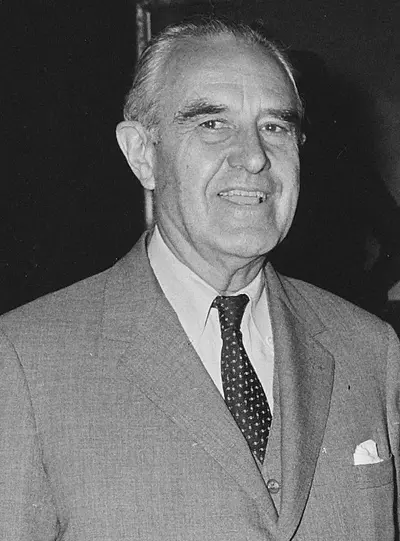
William Averell Harriman, better known as Averell Harriman, was an American Democratic politician, businessman, and diplomat. The son of railroad baron E. H. Harriman, he served as Secretary of Commerce under President Harry S. Truman, and later as the 48th Governor of New York. He was a candidate for the Democratic presidential nomination in 1952 and 1956, as well as a core member of the group of foreign policy elders known as "The Wise Men".
