B. R. Ambedkar Quotes
Caste is not a physical object like a wall of bricks or a line of barbed wire which prevents the Hindus from co-mingling and which has, therefore, to be pulled down. Caste is a notion; it is a state of the mind.
Ambedkar, B. R. Annihilation of Caste. 1936. Dr. Babasaheb Ambedkar: Writings and Speeches, Vol. 1, Education Department, Government of Maharashtra, 1979, p. 68.

The Caste System has been legally abolished in India yet hundreds of million Indians still follow it.

Paz was the Ambassador to India. The caste system in India was outlawed by the Indian Constitution, and the government has made many effort at affirmative action to eliminate it put as Paz observed it is so ingrained in Indian tradition, culture and religion that it continues to persist.


Manava Dharma Shastra. The caste system in action. Note however that the highest caste aristocrats could not abuse even lower caste women with impunity the way that was common in early Christian Europe. However, the punishment was not death as required by Muslim law—see {590409}. This text is a part of the Hindu Holy Texts. Hindus believe that Manu was a prophet whose text is revealed or inspired.
Manava Dharma Shastra. The Hindus believe in reincarnation and that the souls of animals move up the ladder and if they are good are eventually born as humans (Sudras). These are the lowest caste in this terribly discriminatory system—the “untouchables.” But if a Sudra lives a pious life and accepts his lot, he is reincarnated as a higher cast human (twice born). This law illustrates the incredible discrimination that the cast system produced. In modern India, the caste system is illegal and there is no discrimination in law or by government. However it is still terribly evident in social life, marriage, employment and most phases of Indian society. This text is a part of the Hindu Holy Texts. Hindus believe that Manu was a prophet whose text is revealed or inspired.


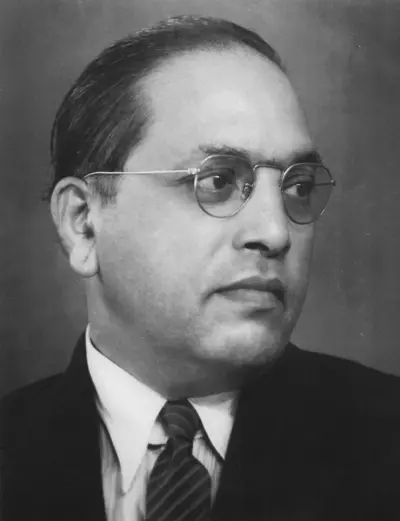
Bhimrao Ramji Ambedkar, also known as Babasaheb Ambedkar ([bʌbəsɑheb ɑmbɛdkɑə]), was an Indian jurist, economist, politician and social reformer, who inspired the Dalit Buddhist movement and campaigned against social discrimination towards the untouchables (Dalits). He was British India's Minister of Labour in Viceroy's Executive Council, Chairman of the Constituent Drafting committee, independent India's first Minister of Law and Justice, and considered the chief architect of the Constitution of India.
