Elizabeth Gaskell Quotes
But Margaret went less abroad, among machinery and men; saw less of power in its public effect, and, as it happened, she was thrown with one or two of those who, in all measures affecting masses of people, must be acute sufferers for the good of many. The question always is, has everything been done to make the sufferings of these exceptions as small as possible?
Gaskell, Elizabeth. North and South. Chapman and Hall, 1855.


In 1902 there was a major coal strike in which Roosevelt pressured the coal operators to make concessions to labor. The abuses of some of the large monopolistic enterprises were turning large segments of America against capitalism. TR always believe that he saved capitalism from its own self destruction. The same has been felt about Franklin Delano Roosevelt who many believe saved American capitalism in the Great Depression.


Virtually every advance for the working class in England (and the other countries including America) was labeled “socialism” by the conservative economic factions of the time. However, socialists were strong advocates of all these economic reforms and even in the 19th century their impact was recognized.


Labor unions as we know them did not then exist. Calhoun and many others saw the struggle as a inherent class struggle, not unlike that particular view of Karl Marx. See {606584} for one his more extreme views on the subject.


She was writing about the textile mills of Manchester, England in the Industrial Revolution. Workers’ wages were so low that many of them could not feed themselves and their family decently

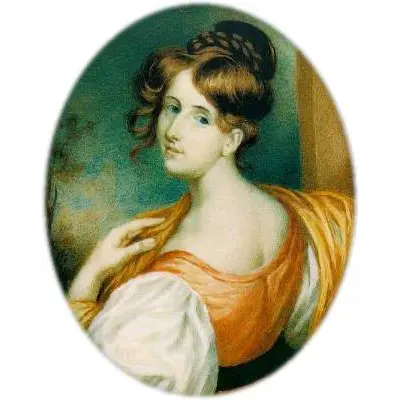
Elizabeth Cleghorn Gaskell, often referred to as Mrs Gaskell, was an English novelist, biographer and short story writer. Her novels offer a detailed portrait of the lives of many strata of Victorian society, including the very poor. Her work is of interest to social historians as well as readers of literature. Her first novel, Mary Barton, was published in 1848. Gaskell's The Life of Charlotte Brontë, published in 1857, was the first biography of Charlotte Brontë. In this biography, she wrote only of the moral, sophisticated things in Brontë’s life; the rest she left out, deciding that certain, more salacious aspects were better kept hidden. Among Gaskell's best known novels are Cranford (1851–53), North and South (1854–55), and Wives and Daughters (1865), each having been adapted for television by the BBC.
