Mark Twain Quotes
As an active privilege, it [freedom of speech] ranks with the privilege of committing murder; we may exercise it if we are willing to take the consequences.
Samuel Langhorne Clemens, 1835-1910. Even when we have political freedom of speech, there are often social consequences to exercising that freedom. See {630273} .
Mark Twain, Writer, Founder, Anti-Imperialist League, Who is Mark Twain? "The Privilege of the Grave"
Sourced by: Eigen's Political and Historical Quotations

Samuel Langhorne Clemens, 1835-1910. Twain was referring to the social norms and customs which make us all edit our speech so that we do not hurt people unnecessarily or mislead someone. True freedom of speech of this kind would exist only if there were no social structure of morality. For almost all of us, the political freedom of speech is what we cherish. The right to say anything and to be edited only by ourselves and our own personal view of propriety is the political. See linked quote for his quotation about the social consequences of exercising freedom of speech.

Striking down a law making cross burning a crime:

This is a typical statement of human rights policy by many countries. Essentially, some controlling authority states that rights are guaranteed except when it is “dangerous” or contrary to the country’s “best interest”. Of course then anything the authorities want to censor is classified so that it is an exception. To be a right, it must be guaranteed even when hateful, insulting and/or dangerous.


The important thing about rights is that they exist independent of majority opinion. The majority might want to trample the rights of an unpopular group or individual. Very often Islamic modernists like Serageldin are many among the educated Muslims but the majority views are often drowned out by the violence and extremist statements of the fundamentalists.


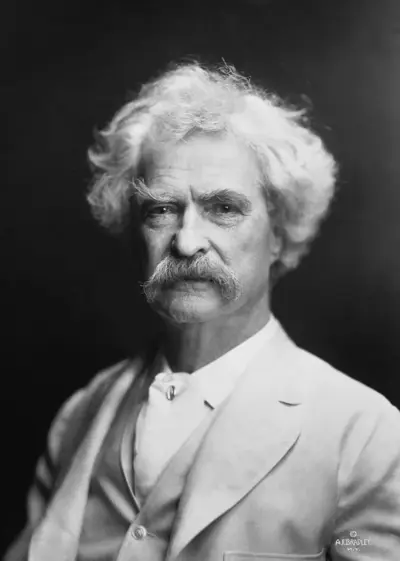
- Born: November 30, 1835
- Died: April 21, 1910
- Nationality: American
- Profession: Author
Samuel Langhorne Clemens, known by his pen name Mark Twain, was an American writer, humorist, entrepreneur, publisher, and lecturer. He was lauded as the "greatest humorist the United States has produced," and William Faulkner called him "the father of American literature". His novels include The Adventures of Tom Sawyer (1876) and its sequel, the Adventures of Huckleberry Finn (1884), the latter often called "The Great American Novel".
