Arnold J. Toynbee Quotes
Another relic of Medievalism was the regulation of wages by Justices of the Peace …. The Justices often ordained a rise in wages, and the workmen themselves were strongly in favour of this method of fixing them. The employers on their part also often approved of it.
Description of pre Industrial Revolution wage controls. Generally, they were quite popular with employees and employers alike. There was also a great deal of price fixing. These produced stability whenever weather of disease affected the labor force and eliminated continuous labor/management strife whenever conditions changed. There were no unions or other labor organizations and the Justice of the Peace was the de facto arbitrator of a compulsory arbitration. There was also a perception of fairness and not just economic power determining decisions. With the industrial revolution, the number of different jobs and skills exploded and the old system was no longer practical. This started hundreds of years of labor / management approaches with none yet considered ideal. This is another example of how modernization brings additional problems along with the great benefits by which all of us are healthier, wealthier, better educated, have more leisure time, more freedom and control over our own lives.
Arnold J. Toynbee, 1852–1883, English Economic Historian, Uncle of Arnold J. Toynbee, the English Historian, Lectures on the Industrial Revolution of the 18th Century in England
Sourced by: Eigen's Political and Historical Quotations


At the time, industrialists could not even conceive of the notion of negotiating over wages must less collective bargaining.

Virtually every advance for the working class in England (and the other countries including America) was labeled “socialism” by the conservative economic factions of the time. However, socialists were strong advocates of all these economic reforms and even in the 19th century their impact was recognized.


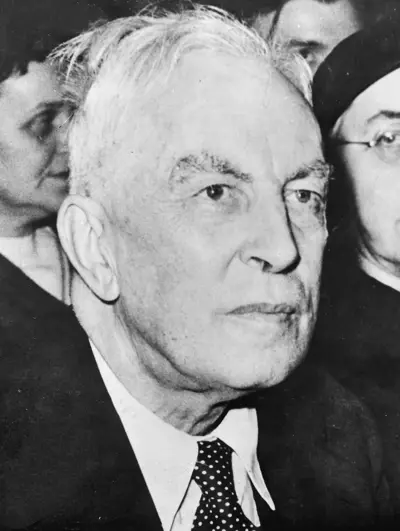
Arnold Joseph Toynbee CH FBA was a British historian, a philosopher of history, an author of numerous books and a research professor of international history at the London School of Economics and King's College London. From 1918 to 1950, Toynbee was considered a leading specialist on international affairs.
