Angus Deaton Quotes
Americans, like many citizens of rich countries, take for granted the legal and regulatory system, the public schools, health care and social security for the elderly, roads, defense and diplomacy, and heavy investments by the state in research, particularly in medicine.
Deaton, Angus. The Great Escape: Health, Wealth, and the Origins of Inequality. Princeton University Press, 2013.


Spanish Colonial Policy and Practice was generally terrible and particularly so in the Philippines, See {629450}. So it was relatively easy for the President to document genuine improvements our imperialism had produced. However, the Filipinos would have preferred to make progress as an independent country.

The reason this quotation is noteworthy is the reality that Medicare is the largest Federal Government program that there is. It is not only funded by the Government, but Government employees actually operate it from making the policies to paying the tens of millions of bills to doctors and hospitals. The protester who created the sign, like the overwhelming majority of Tea Party enthusiasts are opposed to big government and especially to government involvement in any health care operations. Obamacare was very controversial and most Tea Party enthusiasts were lobbying heavily against the Government “taking over” the American health care system. Medicare is one of the most popular Federal programs in American history and many people who were opposed to Federal health program management and were ignorant of the fact that Medicare was operated by the Government, were expressing their concern. The sign did not seem to distress any of the thousands of Tea Party followers in the audience, but the main takeaway was that there were many American who just assumed that anything that was run well and they liked could not be run by the government.


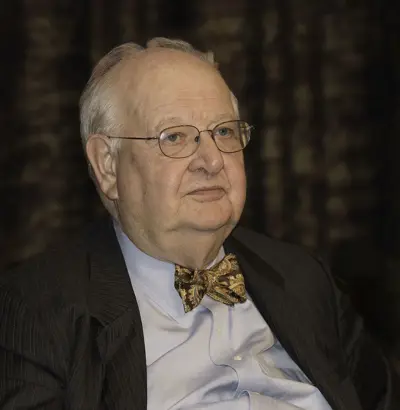
Sir Angus Stewart Deaton FBA is a British-American economist and academic. Deaton is currently a Senior Scholar and the Dwight D. Eisenhower Professor of Economics and International Affairs Emeritus at the Princeton School of Public and International Affairs and the Economics Department at Princeton University. His research focuses primarily on poverty, inequality, health, wellbeing, and economic development.
