Edmund Barton Quotes
The difference between the denominational system and the public school system is all the difference between bolstering them up on the one hand and letting them alone of the other.
Barton, Edmund. "Public Instruction Bill." New South Wales Parliamentary Debates, Session 1879-80, Government Printer, 1880.


This plank if ever actually implemented would clearly destroy the American educational system. Extreme radical ideas such as this are not typical of Libertarian Party positions before or afterwards. The quotation illustrates that there are people in America who would end public education if they could. The quotation also illustrates how a small cadre of people can capture control of a political party and create a platform that is their own personal views which may be different from most of the party members or the historical position that the party has taken. In 1980 the Libertarian Party Vice Presidential Candidate was David Koch, one half of the billionaire conservative Koch brothers. Their money financed the Libertarian Party in that year and David Koch’s views then prevailed in the party platform. Historically, the Koch brothers moved from a minor third party to the Republican party at the beginning of the 21st century when their money was able to help drive the party very far to the right from the traditions of Abraham Lincoln and Theodore Roosevelt.


Quoted in the Court’s notes of the meeting


This was his explanation of why so many school board bond issues are voted down. Others point out that this happens in communities where faith has not been lost but the citizens simply do not think the community can afford the expense or the effect on the community’s credit rating.


There are still some extreme conservatives who hold this view. To them and Mises, public education should not be allowed, much less required.
Liberia had been founded by American Free Negroes. American religious missionary organizations were very helpful in building the new nation, but they also created their own parochial, religious day schools. And behind the scenes they blocked efforts to establish a public school system. Walker, in America, was trying to get public support for allowing there to be public schools in Liberia.
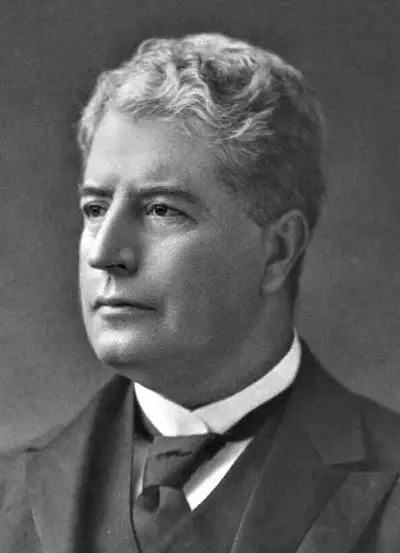
Sir Edmund "Toby" Barton, GCMG, KC was an Australian politician and judge who served as the first Prime Minister of Australia, in office from 1901 to 1903. He resigned to become a founding member of the High Court of Australia, where he served until his death.
