Wilfred Owen Quotes
All theological lore is growing distasteful to me. All my recent excursions into such fields proves it to be a shifting, hypothetical, doubt-fostering, dusty, and unprofitable study.
Owen, Wilfred. Wilfred Owen: Collected Letters. Edited by Harold Owen and John Bell, Oxford University Press, 1967.


Franklin was a deist. He believed in God and the Creation but not the Bible which is often referred to as “revealed” truth. He did believe that classic Christianity was a positive force as some people were led to good works and a moral life by it.


He was officially hanged for his offence of making this statement on January 8, 1697. His execution, which raised considerable concern, was the last execution for blasphemy in Britain.


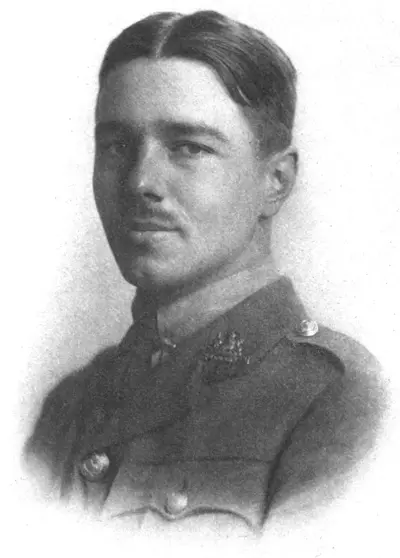
Wilfred Edward Salter Owen MC was an English poet and soldier. He was one of the leading poets of the First World War. His war poetry on the horrors of trenches and gas warfare was much influenced by his mentor Siegfried Sassoon and stood in contrast to the public perception of war at the time and to the confidently patriotic verse written by earlier war poets such as Rupert Brooke. Among his best-known works – most of which were published posthumously – are "Dulce et Decorum est", "Insensibility", "Anthem for Doomed Youth", "Futility", "Spring Offensive" and "Strange Meeting".
