Lucy Stone Quotes
All over this land women have no political existence. Laws pass over our heads that we can not unmake. Our property is taken from us without our consent. The babes we bear in anguish and carry in our arms are not ours.
The law at that time gave a married woman almost no rights. The husband legally controlled the family assets regardless of who had earned or provided them. He aslo had absolute control of the upbringing of the children. Women could not vote and in many states were considered property of the husband.
Lucy Stone, 1818-1893, Founder, National American Woman Suffrage Association, Founder, Women's Journal, Speech as president of a national convention of the Woman's National Loyal League, May 14, 1863
Sourced by: Eigen's Political and Historical Quotations

The classification of women with criminals and lunatics referred to the fact that at this time Women could not vote in New Zealand or any other nation of the world. The following year, much as a result of her efforts, New Zealand became the first country in the world to allow women to vote.


This statement is not only remarkable for its time, but also violated Hindu religious tradition and scripture. See Padmapurana.

This is the earliest surviving attempt of the Romans to formulate a legal code.


The following year, women got the right to vote, the first nation to reach that level of enlightenment.


Billinghurst was physically handicapped without the use of her legs. She protested and marched in protest parades using a hand propelled tricycle which the police sometimes dumped her out of and left her immobile in alleys.


Vladimir Lenin

The decree prevents a married woman from obtaining a passport without her husbands written approval. The reference to criminals is because the Egyptian Constitution and the United Nations Declaration of Human Rights provides the right of any Egyptian to travel or leave the country except for criminals who have been properly adjudicated.
Women were not, in the decisions of Canadian courts “Persons.” As such they were not allowed to serve as public officials and legislators. In 1929 the Judicial Committee of the Privy Council reversed previous interpretations and declared women eligible for all public offices. It became known as “The Persons Case.”


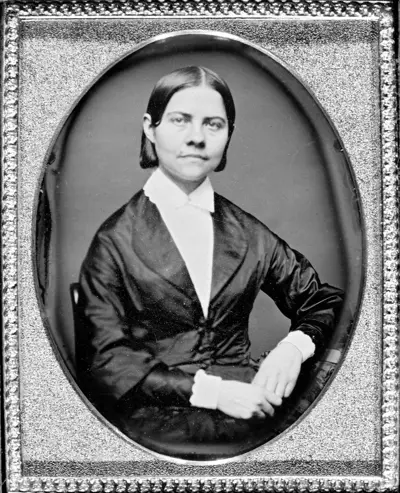
Lucy Stone was a prominent U.S. orator, abolitionist, and suffragist, and a vocal advocate and organizer promoting rights for women. In 1847, Stone became the first woman from Massachusetts to earn a college degree. She spoke out for women's rights and against slavery. Stone was known for using her birth name after marriage, the custom being for women to take their husband's surname.
