Aesop Quotes
Affairs are easier of entrance than of exit. It is but common prudence to see the way out before we venture in.
Aesop, 620 BC-560 BC, Greek Author of Fables, Quoted in Thomas Justice et al, The Facilitators Field Book
Sourced by: Eigen's Political and Historical Quotations


Manava Dharma Shastra. This text is a part of the Hindu Holy Texts. Hindus believe that Manu was a prophet whose text is revealed or inspired by divinity.

The Undersecretary had misgivings just before the ill-fated Bay of Pigs invasion, and urged a cancellation:


A revolution had started in Brazil, and the President was inclined to provide support to the revolutionaries. Ball urged waiting until it was sure that the revolution would succeed, and then provide aid.


He fought in Algeria and other counterinsurgencies and then studied them. He wrote the classic book on counterinsurgency warfare. After all the mistakes the U. S. made after the successful invasion of Iraq, his book and doctrine were very influential in the change in strategy and tactics that turned the Iraq War in our favor.


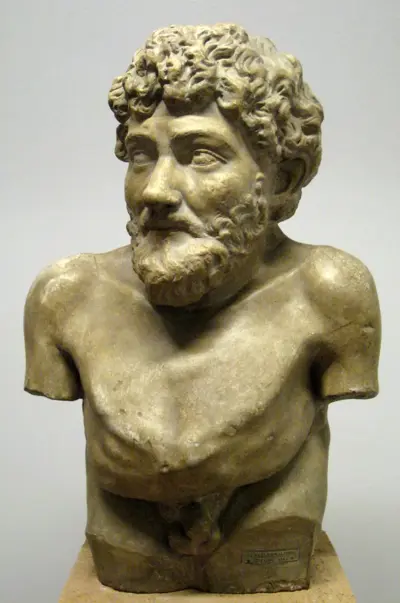
Aesop (c. 620–564 BCE) was a Greek fabulist and storyteller credited with a number of fables now collectively known as Aesop's Fables. Although his existence remains unclear and no writings by him survive, numerous tales credited to him were gathered across the centuries and in many languages in a storytelling tradition that continues to this day. Many of the tales are characterized by animals and inanimate objects that speak, solve problems, and generally have human characteristics.
