William Shakespeare Quotes
Abate the edge of traitors, gracious Lord,
That would reduce these bloody days again
And make poor England weep in streams of blood!
Let them not live to taste this land's increase
That would with treason wound this fair land's peace!
Now civil wounds are stopped, peace lives again:
That she may long live here, God say amen!
Shakespeare, William. Richard III. Edited by Barbara A. Mowat and Paul Werstine, Simon & Schuster, 2004.


While Queen Mary was presenting medals to British soldiers during World War I, she said this to a soldier who had exclaimed “No more bloody wars for me”.

The whites had come to South Africa by sea—English and Dutch. Many settled at the Southern Shore—Capetown area. The Dutch Boers however were more interested in farming and commerce and moved North taking land from the natives who sparsely populated the interior of the land. At the same time the aggressive and sophisticated Zulus came from the North. Like the Boers, they were after land and seized it from the natives. It was inevitable that the two conquering, land grabbing groups would run into each other. The English had had a number of wars with the Zulus, but the English were not real competitors with the Zulu for land. So when England annexed the Tranvaal area, the Zulus were pleased as the English would control the Boers and the Zulus did not have to be contesting every bit of ground. However, the Boers and the English split over the English restricting the Boers from seizing native and Zulu land (which the Zulus had seized just like the Boers). The Boer War resulted, and to this day the Zulus and the native Black tribes are more comfortable with the South Africans of English extraction than those who are in the Boer community.

He himself became a victim of the Civil War when Oliver Cromwell ordered him beheaded in 1658


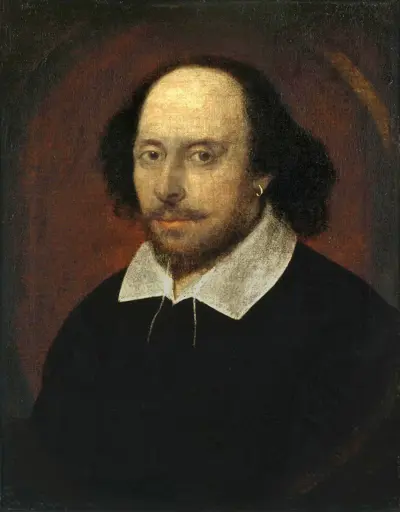
William Shakespeare was an English playwright, poet, and actor, widely regarded as the greatest writer in the English language and the world's greatest dramatist. He is often called England's national poet and the "Bard of Avon" (or simply "the Bard"). His extant works, including collaborations, consist of some 39 plays, 154 sonnets, three long narrative poems, and a few other verses, some of uncertain authorship. His plays have been translated into every major living language and are performed more often than those of any other playwright. They also continue to be studied and reinterpreted.
