Jean-Baptiste Say Quotes
A tax can never be favorable to the public welfare, except by the good use that is made of its proceeds.
Jean-Baptiste Say, 1767-1832, French economist and journalist, A Treatise On Political Economy: or the Production, Distribution, and Consumption of Wealth
Sourced by: Eigen's Political and Historical Quotations


This is the most articulate historical statement of the modern conservative mantra regarding taxes. However, one change has taken place. The words “necessarily” and “often” tend to be left out of the more modern ideological statements. Mellon’s original statement has never really had any politicians or economists who disagreed. Politicians of all economic persuasions have generally accepted the Mellon statement but the extreme conservatives’ creed is that a lowering of taxes always produces more revenue and a tax increase will inevitably lead to greater tax revenue—a position which Mellon never took. Mellon however was very solicitous of the wealthy, felt the welfare of the nation depended on their prosperity, and was a strong advocate of what was later called ‘trickle down’ economics {628592}.


The extravagance of Louis XIV caused the conservative Colbert to raise taxes, always an unpopular move. His response: Marquis de Seignelay


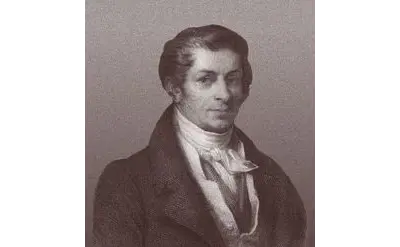
Jean-Baptiste Say was a liberal French economist and businessman who argued in favor of competition, free trade and lifting restraints on business. He is best known for Say's law—also known as the law of markets—which he popularized. Scholars disagree on the surprisingly subtle question of whether it was Say who first stated what is now called Say's law. Moreover, he was one of the first economists to study entrepreneurship and conceptualized entrepreneurs as organizers and leaders of the economy.
