Henry Steele Commager Quotes
… gestures toward constitutional anarchy
Henry Steele Commager, 1902-1998, Political Historian, Description of proposals to facilitate the calling of Constitutional conventions, “To Form a Much Less Perfect Union,” New York Times Magazine, July 14, 1963
Sourced by: Eigen's Political and Historical Quotations

The State Constitutional ratification convention for Constitutional amendments is


The 10th Amendment was created to take care of this objection which Jefferson and many others had.

Most of the states would not ratify the proposed 1787 constitution as it was. Congress then added a version of what became known as the Bill of Rights in order to obtain the required concurrence of the people. Most scholars look at the 1787 Constitution and observe how little trust it had in the men who would rule and implement it. However, the people in general were even more skeptical than the intellectual leaders who drafted the Constitution and wanted even more assurances. Many people believed that most of the issues in the Bill of Rights were either implicit in the original 1787 draft or were unnecessary to spell out, but Congress had to sell the Constitution to the people as a whole and it took some very specific text to get people to believe that their rights would be protected.


The argument was Prohibition, the 18th Amendment.


This proposed Constitutional Amendment was debated just before Abraham Lincoln would take office. The South wanted to tie his hands on the Slavery issue, and wanted to end what had become a constant polarized Congressional debate over slavery. Of course, their idea of ending the debate was to Constitutionally prohibit further attempts to outlaw or otherwise interfere with slavery in the Southern states. A number of Northern members of Congress voted for it realizing that there was little or no chance of obtaining the ratifications of ¾ of the states and they wanted to buy some time for the Southerners to calm down over their fear of Lincoln and his upstart Republican party. The Amendment never obtained the needed votes though a few states did ratify it. Secession and the Civil War mad the amendment moot. The Southern position was so rigid, that they would compromise in no way on the slavery issue, and ended up of course losing more than they ever thought was possible by succeeding. Another reason this proposed amendment is historically important, is that it is yet another strong piece of evidence that the issue of the Civil War was slavery and not differences in political and economic philosophies as many Southerners have claimed since then. If States Rights in general were the great concern, would have been no reason to single out slavery if it were not the major issue. Yet the last phrase, “including that of persons held to labor or service by the laws of said State” does just. Similar evidence is given by the Secession Resolutions of the Southern States and the debates around them. It is clear that slavery was the issue that the South fought over.


The political battles over the ratification of the Constitution were vicious and brutal even by modern standards.


In the Western World, The Roman Catholic Church was the government for many years and theology and political philosophy were thereby conflated.


In a 1949 dissenting opinion in Terminiello v. Chicago Jackson claimed the majority view would “convert the Bill of Rights into a suicide pact.”

The Irish had been concentrating so long on fighting for independence that when they got it, they were not prepared to operate a government and different jurisdictions scrambled for power, most not wanting the control government to have much if any.
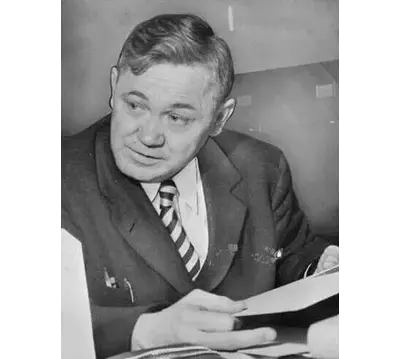
Henry Steele Commager (1902–1998) was an American historian. As one of the most active and prolific liberal intellectuals of his time, with 40 books and 700 essays and reviews, he helped define modern liberalism in the United States.
