WILLIAM MONROE TROTTER
He was one of the Black intellectuals who criticized the white’s favorite Negro Leader, Booker T. Washington who concentrated his efforts on Black education and self-improvement to make them more acceptable to whites. Trotter was the first man of color to earn a Phi Beta Kappa key from Harvard University. He was an outspoken critic of President Woodrow Wilson’s policy the for the first time instituted official segregation of Federal Employment and his firing of all Blacks then in executive or white collar positions in the Federal Government. Wilson, for all his supposed modernity, was one of the most racist of all American Presidents.
He was one of the Black intellectuals who criticized the white’s favorite Negro Leader, Booker T. Washington who concentrated his efforts on Black education and self-improvement to make Blacks more acceptable to whites. Trotter was the first man of color to earn a Phi Beta Kappa key from Harvard University. He was an outspoken critic of President Woodrow Wilson’s policy that for the first time instituted official segregation of Federal Employment and his firing of all Blacks then in executive or white collar positions in the Federal Government. Wilson, for all his supposed modernity, was one of the most racist of all American Presidents. Washington thought that segregation was so entrenched that it would take many generations to eliminate it, and therefore felt that the best thing to do was to improve the positions of Blacks within the segregationist structure. Both sides were right from different perspectives although Trotter, Dubois and their followers did much more to confront and eventually change racist America.
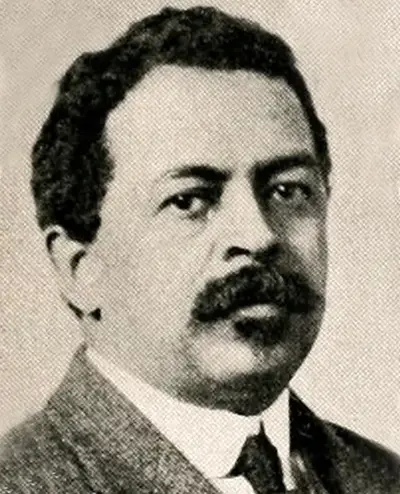
William Monroe Trotter, sometimes just Monroe Trotter, was a newspaper editor and real estate businessman based in Boston, Massachusetts, and an activist for African-American civil rights. He was an early opponent of the accommodationist race policies of Booker T. Washington, and in 1901 founded the Boston Guardian, an independent African-American newspaper he used to express that opposition. Active in protest movements for civil rights throughout the 1900s and 1910s, he also revealed some of the differences within the African-American community. He contributed to the formation of the National Association for the Advancement of Colored People (NAACP).
