CHARLES CORNWALLIS, 1ST MARQUESS CORNWALLIS
(Charles Cornwallis | Viscount Brome | Earl Cornwallis)
General Cornwallis was informing his superior that he had surrendered at Yorktown. The French navy had prevented escape or resupply from the sea, and the British were totally surrounded by American and French land forces.
Cornwallis, who had the misfortune to be the Commanding General of the British forces which were defeated by the brilliant strategy of George Washington and his French Allies, never approved of the British Strategy in America. As a loyal officer, he was a field commander and did not control the overall strategy which most military historians agree was not very sound. While the British controlled New York City, they were surrounded by Washington’s troops and a hostile population. They Armies were separated and while generally too strong to defeat in the field were never strong enough or numerous enough to pacify large areas of the colonies.
This part of the war was particularly bloody as Marion and his opponent Colonel Tarleton both committed atrocities and war crimes against the civilians who supported the other side or tried to remain neutral. Marion was promoted to General.
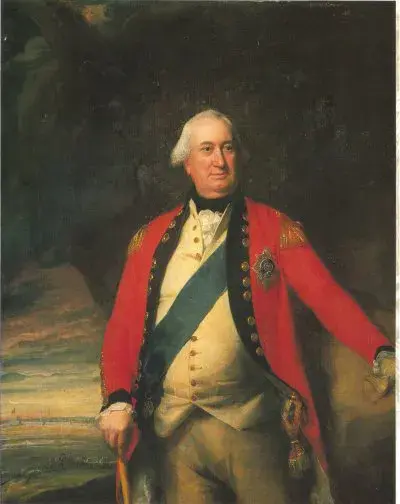
Charles Cornwallis, 1st Marquess Cornwallis, KG, PC, styled Viscount Brome between 1753 and 1762 and known as the Earl Cornwallis between 1762 and 1792, was a British Army general and official. In the United States and the United Kingdom he is best remembered as one of the leading British generals in the American War of Independence. His surrender in 1781 to a combined American and French force at the siege of Yorktown ended significant hostilities in North America. He later served as a civil and military governor in Ireland, where he helped bring about the Act of Union; and in India, where he helped enact the Cornwallis Code and the Permanent Settlement.
