Bobby Ray Inman Quotes
You want to keep intelligence separate from policy.
Inman, Bobby R. Interview by Stephen Knott. George H. W. Bush Oral History Project, Miller Center, University of Virginia, 19 Sept. 2000.

The major idea of intelligence agencies in a democracy is for the intelligence agencies to provide the policy makers with facts on the ground and data with which they can make sounder policies. However, many times the policies of the administration is so firm that the political ideology restrict not only the kinds of analysis the intelligence agencies do, but in some cases shape or control the conclusions of otherwise sound studies. The influence of Vice President Cheney on the CIA and the invasion of Iraq.


The CIA did not have a long tradition. It was created after WWII when the OSS was are espionage organization had been disbanded In the early days of the Cold War, the CIA went rogue and engaged in covert activities without the knowledge and approval of the President and his cabinet. General Maxwell Taylor conducted a thorough investigation and the agency was brought under control. There hav been several more incidents since then and every few years there have been additional scandals of unauthorized operations which were harmful to American interests and values. In a democracy it is always hard to control a secret organization. Actually, at the beginning of WWII, we had almost no espionage capability and President Roosevelt had a series of friends who provided him with intelligence until William Donavan had time to establish the OSS which did such a wonderful job.

Actually, this is true for most government agencies and many non-government institutions as well. The concern is greater when organizations whose policies can affect life and death are not consciously developing and choosing policy alternatives and yet the policies are made by default.


even though in this case the objective The State Department, the Defense Department and most important President Kennedy had decided to get rid of Diem. Most of the Central Intelligence Agency thought that this was a very unwise policy, because Diem was a known risk, and the people who would replace him and their talents and policies were unknown. The negatives of Diem—the facts that he, a Christian, was persecuting the majority Buddhists, was totally corrupt, and not a very good leader was less distressful to the CIA than to the President and the other agencies as the intelligence agency frequently not only tolerated “offensive” allies, but actually employed them including war criminals. Another importance of this quotation is that it shows that it was by no means certain that the CIA would always follow the orders of the President and the government policy makers. Colby, who was not the agency director at that time but was the head of the South East Bureau, was one high level official who argued that the policies should always be followed even if they were unwise or foolish. Another importance of this quotation is that it illustrate a common error that administrations are frequently forced to make: making a policy decision to eliminate a problem while not having much of an idea of what the alternative or consequence would be when the policy is implemented. The Syrian Civil War in 2013 was a good example. The Government side appeared to have used Chemical Warfare on Civilians and public opinion demanded that we do something. However, having a no-fly zone or any of the alternatives to prevent (punish) the government for the Chemical Warfare would strengthen the rebel side which was made up of numerous factions—some of which were known Islamic fundamentalist terrorists and jihadists. If the balance of power were tipped toward the rebels, the consequence for the American national interests were unknown—just as the consequence of ousting Diem was unknown and turned out to also be bad and was probably worse.


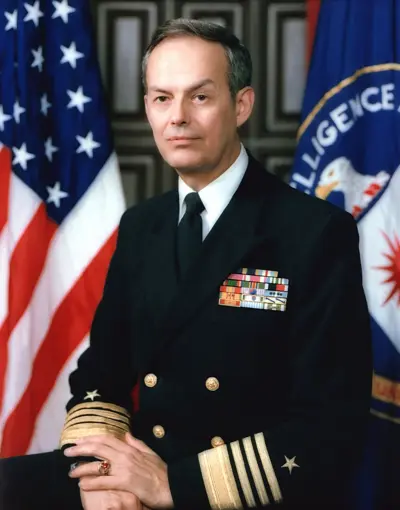
Bobby Ray Inman is a retired United States Navy admiral who held several influential positions in the United States Intelligence Community.
