Kapil Sibal Quotes
Yes, the state must intervene to prevent the exploitation of poor Indian women who are enticed or coerced into surrogacy, as well as to protect the rights of surrogate children. However, it should also be empathetic to individuals with alternative lifestyles who are well within their legal and human rights to demand access to surrogacy services.
Sibal, Kapil. "The surrogacy bill is paternalistic, exclusionary and conservative." Hindustan Times, 27 Aug. 2016.


The other Southern States had similar legal principles while still maintaining the hypocrisy that their legal system was grounded on Christian morality.


Sanger faced charges of obscenity for explaining birth control in a magazine she founded called the Woman Rebel. She got no political support from Wilson or the Democrats. The few politicians who did support her were Republican progressives and reformers.

The law at that time gave a married woman almost no rights. The husband legally controlled the family assets regardless of who had earned or provided them. He aslo had absolute control of the upbringing of the children. Women could not vote and in many states were considered property of the husband.
The law at that time gave a married woman almost no rights. The husband legally controlled the family assets regardless of who had earned or provided them. He aslo had absolute control of the upbringing of the children. Women could not vote and in many states were considered property of the husband.

Many leaders of nations are in denial about this problem which exists almost everywhere. In Israel, the problem is compounded because the very orthodox Jews and Muslims both come from a tradition where women are allocated a place subservient to men in many ways and to some (like some Christians) there is a perceived duty to discipline wives and daughters. So reform involves religious tradition and theology.


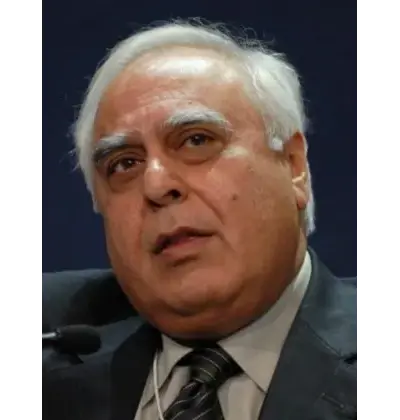
Kapil Sibal is an Indian politician belonging to the Indian National Congress party. A lawyer, he formerly served at the helm of various ministries in the Congress-led UPA government over the years – beginning with the Ministry of Science & Technology, then the Ministry of Human Resource Development followed by the Ministry of Communications & IT, and the Ministry of Law & Justice.
