Dorothy Height Quotes
Women were really the backbone of the civil rights movement, although the leadership was predominantly male. At the rallies, the audience was women and children. The platform was predominantly men.
Dorothy Height, 1912–2010, President, National Council of Negro Women, Quoted in USA Today, October 13, 1988
Sourced by: Eigen's Political and Historical Quotations


Jinnah was a modern Islamist who saw the role of females in a modern context. He, like the Indian Hindu leaders were in a sense products of the West and Western government and education. He would be very surprised that in his Pakistan men can murder their female relatives who they believe have dishonored the family, or that women would not be educated in the Madrassas, or that authorities could sentence a female relative of a man deemed guilty of seduction to be gang raped, but that is what happens in modern Pakistan. Jinnah and many of the early leaders believed that their new government could modernize Islam but the control and influence went the other way. Pakistan became a religiously dominated autocracy rather than the democracy that Jinnah foresaw.


This question he asked of an interviewee was at the time not even considered offensive of patronizing and women and men who advocated careers for women would try to explain that women could do both. Very few would counter with the point that what about men and their “neglect” of family life or the reality that through the entire Second World War MILLIONS of women were working. This quotation illustrated the culture change in the years since then.

Most modern feminists would not agree with this quotation by one of the great early femonists.
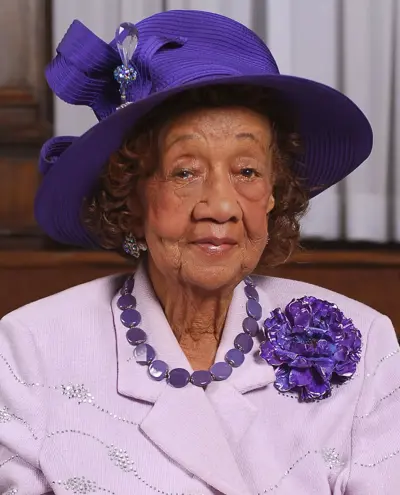
Dorothy Irene Height was an African American civil rights and women's rights activist. She focused on the issues of African American women, including unemployment, illiteracy, and voter awareness. Height is credited as the first leader in the civil rights movement to recognize inequality for women and African Americans as problems that should be considered as a whole. She was the president of the National Council of Negro Women for 40 years.
