Max Eastman Quotes
Wisconsin is the fountain source of Progressivism. It is the scene of the chief political success of Socialism.
Max Eastman, 1883-1969, Editor, Quoted in The Quotations of Max Eastman, January 2003
Sourced by: Eigen's Political and Historical Quotations


Attacking fellow priest, Monsignor John A. Ryan of Catholic University, who had criticized Coughlin's vituperative assaults on the Roosevelt administration: The Priest was the right wing demagogic radio host of his day. Virulently anti-Semitic and anti-Black, he was threatened with excommunication by the Catholic Church, which finally ordered him to cease us weekly radio show and stop the political hate.


The Civil Rights Act of 1964 This is a classic example of a twisted logic what was used for many years in the 20th century Red Scare in America. The International Communist Party was critical of the United States legal racial segregation as it was one of the great weaknesses of U. S. Capitalism for most people in the world. The American Communist party also echoed the party line. Almost all socialist organizations supported the Civil Rights Bill as well. Therefore argued Russell and most Southerners, it should be opposed as a Communist effort to weaken America. What they did not mention was that the majority of Democrats and Republicans supported the bill. That the vast majority of all the American churches and other religious organizations supported the bill, that Business groups all across the country wanted legal segregation ended. The only reason there was a long debate is that the Southerners used the filibuster where a small minority could block Senate legislation. But the American majority was so great for civil rights that the filibuster was defeated and the law passed which changed America forever.


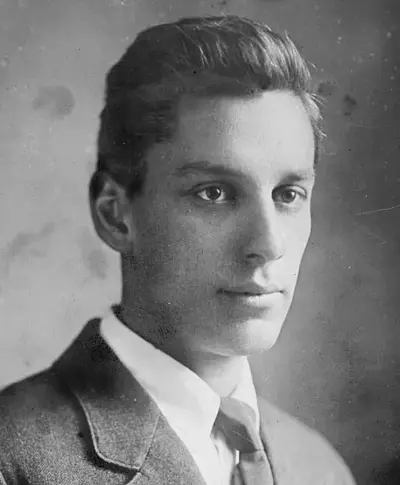
Max Forrester Eastman was an American writer on literature, philosophy and society, a poet and a prominent political activist. Moving to New York City for graduate school, Eastman became involved with radical circles in Greenwich Village. He supported socialism and became a leading patron of the Harlem Renaissance and an activist for a number of liberal and radical causes. For several years, he edited The Masses. With his sister Crystal Eastman, he co-founded in 1917 The Liberator, a radical magazine of politics and the arts.
