Paul Bremer Quotes
While it's very hard to know exactly how to measure public opinion there, because there's no really good polling, the fact of the matter is that in all the polls I've seen the vast majority of the Iraqis prefer to be free and are pleased that the coalition freed them.
Bremer, L. Paul. Interview by Tim Russert. Meet the Press, NBC, 28 Sept. 2003.


This Proclamation was issued upon arrival of the British occupying imperial army in present day Iraq. The English policy makers like the Bush administration almost a century later were expecting a more welcoming reaction. See {585250}.


A few weeks after the Japanese sneak attack on Pearl Harbor, Japan invaded the Philippines and occupied the country. They thought that because of the original American occupation and some American war crimes in the American Philippines War, the people would welcome Japan, thinking that Japan had freed them from the United States domination. However, by that time, most of the Filipinos had become pro American and despite many posters like this one, the Japanese were hated by almost all of the Filipinos for their atrocities were much worse than the worst of the American army at the turn of the century. The American outrages were committed by a minority of the soldiers and officers while the Japanese atrocities were universal and institutional.

This newspaper was an English language organ published by General Allenby’s British and Allied forces in the Middle East. Prior to the war, the Middle East was all part of the Ottoman Empire. However, the Ottoman Turks sided with Germany in WWI and their Middle East dominions were targets for the allied military strategy.


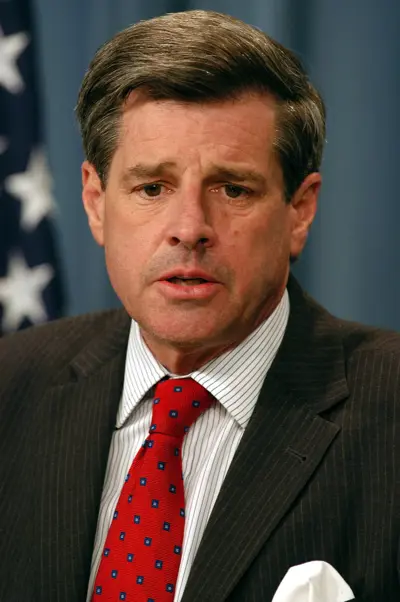
Lewis Paul "Jerry" Bremer III is an American diplomat. He led the Coalition Provisional Authority (CPA) following the 2003 invasion of Iraq by the United States, from May 2003 until June 2004.
