H. L. Mencken Quotes
Whenever I write anything that sets up controversy its meaning is distorted almost instantly. Even the editorial writers of newspapers seem to be unable to understand the plainest sentence.
Mencken, H. L. Minority Report: H. L. Mencken's Notebooks. Alfred A. Knopf, 1956.


Marlette was inundated by complaints from Muslims for his 2002 cartoon depiction of Muhammad driving a Ryder rental truck like the one used by convicted Oklahoma City terrorist bomber, Timothy McVeigh. The caption was, “What would Muhammad drive?” He was front-page news in Saudi Arabia and other Islamic nations. He received death threats. The Council on American-Islamic Relations and the Muslim World League both demanded an apology. Marlette refused. When he was killed in an automobile crash in July of 2007, many Muslims believed that this was the retribution of Allah.


Catledge came to California to cover the gubernatorial race between incumbent Republican Governor Merriam and writer Upton Sinclair, an avowed socialist who was running neck and neck. Palmer was then the Political Editor of the Los Angeles Times and his newspaper never covered anything Sinclair did for the campaign and only covered Merriam. Catledge observed that this was not only unfair but poor journalism.


Tweed was the powerful boss of New York City’s corrupt political machine—Tammany Hall. The newspapers had been attacking Tweed and Tammany Hall for several years but they never resonated with the public. The cartoons of Thomas Nast however were not only understood by illiterates, but the cartoons caused an emotional reaction against Weed and his organization which led to their downfall.


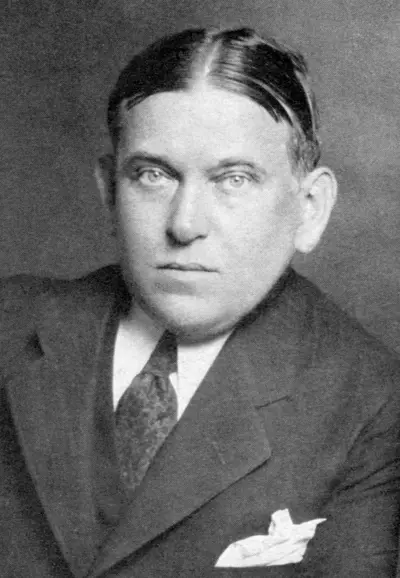
Henry Louis Mencken was an American journalist, essayist, satirist, cultural critic, and scholar of American English. He commented widely on the social scene, literature, music, prominent politicians, and contemporary movements. His satirical reporting on the Scopes Trial, which he dubbed the "Monkey Trial," also gained him attention.
