Franz Halder Quotes
Whenever I go and see the Führer, I've got a loaded pistol in my pocket.
Shirer, William L. The Rise and Fall of the Third Reich: A History of Nazi Germany. Simon & Schuster, 1960, p. 379.


He defeated Adolf Hitler at the polls in 1932, but the next year he was compelled to yield to Nazi power and appointed Hitler Chancellor of Germany.


This was the first folk song that was ever played on a National Coast to Coast Radio Show. It was sung by the Almanac Singers on the show "This Is War" broadcast, February 1942. Additional Verses were written by Woody Guthrie & Millard Lampell. The song was published in Anti-Fascist Songs of the Almanac Singers.

Bhutto, after Pakistan’s defeat by India, initiated a massive nuclear bomb development program which was contrary to the Nuclear Non-Proliferation policy of the United States. Bhutto went ahead anyway and soon Pakistan had a nuclear capability, much to the distress of the other nuclear powers in the world.


Charles I had caused the death of his subjects with impunity and was called to account. However, the English Parliament did not know what specific crime the King had committed. Kings had executed people, guilty of crimes and otherwise, for centuries. For what could a king be accountable. Cooke developed the crime of Tyranny and drew up and presented the indictment for that. The King was found guilty and executed. This was the first time in legal history that a ruler was called to account for crimes committed against his own people. It became the foundation for many trials thereafter including that of Saddam Hussein in 2006.
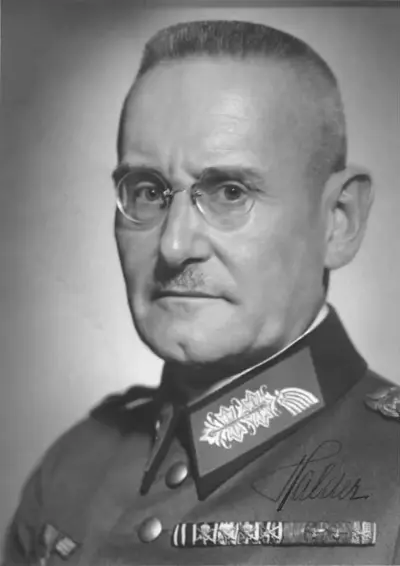
Franz Halder was a German general and the chief of staff of the Army High Command (OKH) in Nazi Germany from 1938 until September 1942. During World War II, he directed the planning and implementation of Operation Barbarossa, the 1941 invasion of the Soviet Union. Halder became instrumental in the radicalisation of warfare on the Eastern Front. He had his staff draft both the Commissar Order (issued on 6 June 1941) and the Barbarossa Decree (signed on 13 May 1941) that allowed German soldiers to execute Soviet citizens for any reason without fear of later prosecution, leading to numerous war crimes and atrocities during the campaign. After the war, he had a decisive role in the development of the myth of the clean Wehrmacht.
