Robert Greene Quotes
When I was researching my book 'The 33 Strategies of War', I studied Napoleon extensively and I found myself wanting to ask Napoleon questions about things he did, and if was I interpreting his actions correctly.
Greene, Robert. Interview.


Clark had commanded the American and NATO forces in the Serbian War where all the military and political objectives were accomplished with heavy losses to the Serbian’s and none to the allied side—what many think was the most successful war in American History. Like Eisenhower in WWII one great challenge was the political and strategic one of keeping the coalition of all the allied governments working together. His perspective had been like Eisenhower and other officers in history was much wider and geopolitical than most military officers.

Attlee was not the first person who observed this phenomenon about peace and war politics but his articulation of it is classic.

This issue of who has the wisdom and competency to determine policy in matters of war has been a constant one in most societies. Even in the Iraq war of the early 21st century, the Congress and the President argued as to what competence the Congress had to determine policy, strategy and tactics.
Clark was particularly brilliant in the Serbian War, where he led America and NATO to a major victory without a single American being killed. There had never been a major war like it, where air power and negotiating carried the victory. And yet, that strategy was not very useful for Iraq and Afghanistan Wars. See {597899} for another of his quotations in this theme.

The General refused. He had already achieved a strategic victory and it was only a matter of time when the Dutch would withdraw on their own as their supply lines were cut off and the populations wanted them out.

He was objecting to the current crop of senior military officer who have little experience in fighting and much in academic, strategic and technical training. Many however see him as a dinosaur who does not realized the complex nature of the modern military missions. In general, we have won almost all of our fighting battles but often failed in our maintaining civil society, occupation, nation building, military procurement, preventing sexual assault of our own troops by our own soldiers, assuring mental health of our soldiers. Hackworth, detractors argue, wants to change what already works and ignore what does not.


On military or foreign policy matters his view was that presidents ought not to rule anything in or out so that he/she can keep all the options open and not reduce future flexibility.


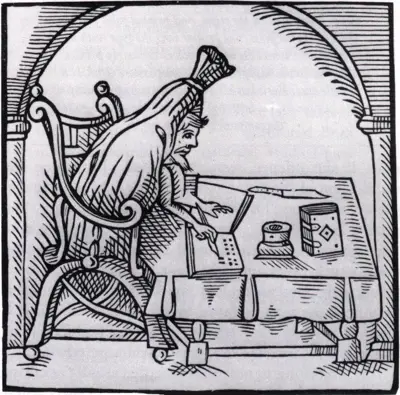
Robert Greene (1558–1592) was an English author popular in his day, and now best known for a posthumous pamphlet attributed to him, Greene's Groats-Worth of Witte, bought with a million of Repentance, widely believed to contain an attack on William Shakespeare. Robert Greene was a popular Elizabethan dramatist and pamphleteer known for his negative critiques of his colleagues. He is said to have been born in Norwich. He attended Cambridge, receiving a BA in 1580, and an M.A. in 1583 before moving to London, where he arguably became the first professional author in England. Greene was prolific and published in many genres including romances, plays and autobiography.
