Louis Antoine de Saint-Just Quotes
What produces the general good is always terrible or seems bizarre when begun too soon. The Revolution must stop when it has perfected public happiness and liberty through the laws.
Saint-Just, Louis Antoine de. Fragments sur les institutions républicaines. Techener, 1831, p. 57.


Khrushchev did not originate this quotation. It was first stated by Lenin. See {620087}.


Tragically, the world paid a terrible price for the German upheaval before the better world finally emerged.

In the late 1830's a revolutionary political movement of small tenant farmers grew in upper New York State. There was much violence and anti-renters were hanged and jailed. After a few years they elected 14 members of the state legislature and had their fellows pardoned:


At the time, Capetown was under the control of the Dutch East India Company which had recruited Gordon from Scotland. There was a wave of liberality following the Enlightenment, the American Revolution, and the very vocal English, anti-slavery, reformers. The Dutch were concerned mainly with making money, and that they thought that meant stability and the status quo. Gordon was their strong spokesman on this. Like American Southern slave owners, Gordon read the Bible as God endorsing slavery and the inferiority of Blacks. Thus, reformers did not "believe in God any more".

Vladimir Lenin. In 1957 Soviet Premier Nikita Khrushchev used the first sentence of this quotation in a speech to the Supreme Soviet. See {240121}. He did not say that he was quoting Lenin, but many of the delegates probably knew this.


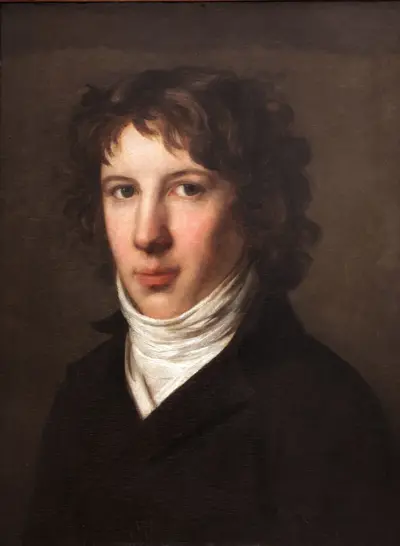
Louis Antoine Léon de Saint-Just was a Jacobin leader during the French Revolution. He was a close friend of Maximilien Robespierre and served as his most trusted ally during the period of Jacobin rule (1793–94) in the French First Republic. Saint-Just worked as a legislator and a military commissar, but he achieved a lasting reputation as the face of the Reign of Terror. He publicly delivered the condemnatory reports that emanated from Robespierre and the Committee of Public Safety and defended the use of violence against opponents of the government. He supervised the arrests of some of the most famous figures of the Revolution and saw many of them off to the guillotine. For his unyielding severity, later writers dubbed him the "Angel of Death".
