Wilfred Owen Quotes
What passing-bells for these who die as cattle? Only the monstrous anger of the guns.
Owen, Wilfred. "Anthem for Doomed Youth." The Collected Poems of Wilfred Owen, edited by C. Day Lewis, Chatto & Windus, 1963.


He stormed offstage leaving the other panelists shocked. This boorish behavior and other at a dignified world intellectual meeting shocked most participants, diplomats, and government officials who castigated Erdogan. However, he returned to large popular approving crowds of his religious Islamic base who thought his behavior heroic. One irony of the Arab-Israeli Conflict in the Middle East as that with 60 years of war, occupation and conflict, the winning and dominant Israelis have killed very few Arabs, especially when one compares the number with the Arabs who were killed by their coreligionists. The Jordanian Army killed 7000 Palestinians in a single week when the Palestinians tried to take over Jordan. The Syrians killed 20,000 and decades later killed over 100,000 of their own people in their internecine civil war. Sunnis have butchered Shiaas and vica versa for over 1000 years, and more Muslims have been the victims of Arab Terrorism than Jews. But in the killing of Arabs, the over 1000 years of Turkish Rule of the Middle East produced incredible butchery by the Turks, which even they exceeded in the Armenian Genocide of Christians in the early decades of the 20th century. The Turks however tend to deny these events were deliberate policy and action but claims the dead were collateral damage of legitimate war. But killers they were, and they currently have one of the best and strongest militaries of the world.
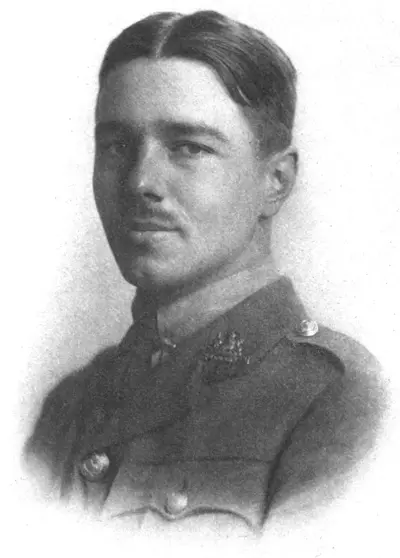
Wilfred Edward Salter Owen MC was an English poet and soldier. He was one of the leading poets of the First World War. His war poetry on the horrors of trenches and gas warfare was much influenced by his mentor Siegfried Sassoon and stood in contrast to the public perception of war at the time and to the confidently patriotic verse written by earlier war poets such as Rupert Brooke. Among his best-known works – most of which were published posthumously – are "Dulce et Decorum est", "Insensibility", "Anthem for Doomed Youth", "Futility", "Spring Offensive" and "Strange Meeting".
