Bruce Fein Quotes
We would not have a national discussion without the actions of Edward Snowden. Democracy is at work because of Edward Snowden.
Edward Snowden, a defense contractor and government employee, publicly revealed that the U. S. intelligence agencies were intercepting and keeping a data base of ALL telephone calls and all Internet e-mails. The government had denied that this was so, and had classified the domestic spying program as Top Secret. Snowden had signed an agreement not to reveal any classified information, and he violated the agreement. Therefore the government was trying to extradite Snowden from Russia at the time so that they could criminally prosecute him. However, there was great debate as to whether the spying on all Americans was legal and Constitutional. Many saw Snowden as a “whistleblower” and pointed out that the government which had lied wanted to prosecute Snowden for telling the truth. Fein, an attorney, was representing Snowden and his family.
Bruce Fein, Constitutional Scholar and Columnist, Press Conference, July 26, 2013
Sourced by: Eigen's Political and Historical Quotations


Snowden, was a contract worker for Booz Allan assigned to the National Security Agency (NSA). He felt that some of the NSA activities were illegal and unethical and tried to complain to NSA officials who rebuffed him. Despite the fact that he had signed an agreement not to do so, he copied many critical, classified documents that exposed much of the NSA activities that the NSA officials had denied existed—including lying under oath to the Senate. He then made many of them public, violating his oath, breaking the law, and opening up an entire area of government spying which most Americans knew nothing about and about which senior government officials had lied under oath to Congress. They of course wanted to prosecute Snowden who had told the truth, while they had lied. For many Americans, this became a moral and ethical conundrum.


Agree resigned from the CIA in protest to its political position.

Once he assumed the Presidency however, he flip flopped on this issue and approved prosecution of the Drake case and other whitle blowers. At the beginning of his second term, Edward Snowden, tried to get his superiors to do something about the massive surveillance of the American Public that the intelligence agencies were carrying out in secret. When Snowden was ignored, he went public through two newspapers. Obama castigated him for revealing that the government officials had lied and were operating a secret spying and eavesdropping system monitoring virtually every American. The Obama Administration chased him around the world trying to get him extradited for criminal trial in the United States.

Snowden, was a contract worker for Booz Allan assigned to the National Security Agency (NSA). He felt that some of the NSA activities were illegal and unethical and tried to complain to NSA officials who rebuffed him. Despite the fact that he had signed an agreement not to do so, he copied many critical, classified documents that exposed much of the NSA activities that the NSA officials had denied existed—including lying under oath to the Senate. He then made many of them public, violating his oath, breaking the law, and opening up an entire area of government spying which most Americans knew nothing about and about which senior government officials had lied under oath to Congress. They of course wanted to prosecute Snowden who had told the truth, while they had lied. For many Americans, this became a moral and ethical conundrum.

He was referring to the massive surveillance NSA program whereby all telephone calls and most digital communications for every American was secretly tapped and stored in an NSA data base. The Senators of the Intelligence Oversight Committee received information in Classified executive sessions but they were not allowed to disclose anything that they learned in the briefings—even something as huge and probably unconstitutional as this program. Moreover, even when officials of the Intelligence Services lied under oath (see {634917}) in open session, the Senators could not disclose this fact.


Senator Church was the chairman of the committee. It’s reports (14 in all) are the most extensive documentation of U. S. intelligence ever compiled.


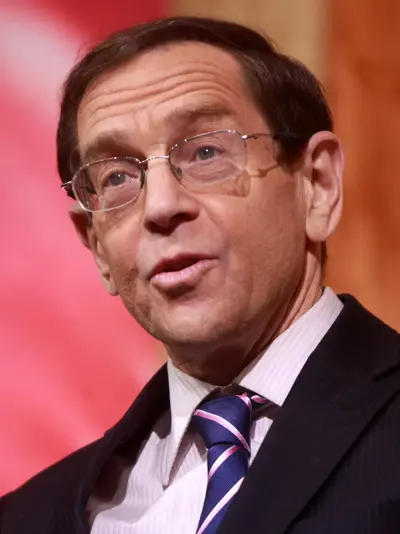
Bruce Fein is an American lawyer who specializes in constitutional and international law. Fein has written numerous articles on constitutional issues for The Washington Times, Slate.com, The New York Times, The Huffington Post and Legal Times, and is active on civil liberties issues. He has worked for the American Enterprise Institute and the Heritage Foundation, both conservative think tanks, as an analyst and commentator.
