Heinrich Heine Quotes
We should forgive our enemies, but not before they are hanged
Heine, Heinrich. The Prose Writings of Heinrich Heine. Edited by Havelock Ellis, Walter Scott, 1887, p. 320.

Simon Bolivar and other freedom fighters in South America used this quotation to justify numerous acts of retaliation against the Spanish troops controlling their countries.


This is a very interesting quotation in that it began as a bogus quotation. Someone made it up and posted it on the internet. Soon it had been picked up by many of the Internet quotation sites which just “scrape” other sites and do no research themselves. Soon it was all over the internet. When he appeared on Meet the Press, Tim Russert asked him about the attribution. He then embraced the quotation as representing his real feelings. In the area of the Internet, this phenomenon has been possible and in this case actually happened.


The Abenaki Indians from Canada had come South and raided many of the settlements of upstate New York. In the process, they committed many atrocities killing civilian men, women and children. Amhurst ordered Robert Rogers and his rangers to attack the Abenaki home villiage in Canada on a famous punitive raid. The Rangers, did indeed, raid the Abenaki and wiped out all the males of the tribe that were in the camp at the time. Amhurst hated Indians, but still had his standards regarding the killing of women and children, but was perfectly willing to kill all the mature males. There were no Geneva Conventions at the time. The same general introduced biological warfare by giving Indians smallpox infected blankets. See {619646}

What is particularly interesting about this quotation is that the author was not a religious leader or a philosopher, but a hard-nosed military man and ruler. He recognized the corrosive effect on a society that a thirst for revenge can bring.


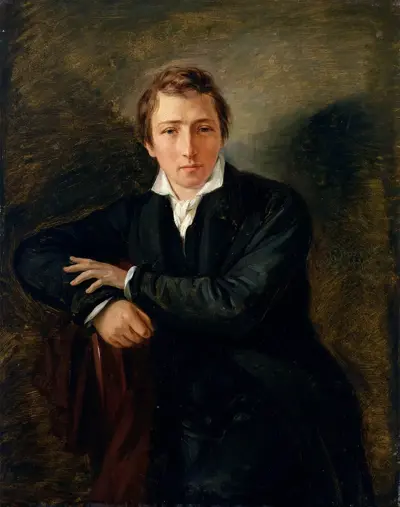
Christian Johann Heinrich Heine was a German poet, writer and literary critic. He is best known outside Germany for his early lyric poetry, which was set to music in the form of lieder (art songs) by composers such as Robert Schumann and Franz Schubert. Heine's later verse and prose are distinguished by their satirical wit and irony. He is considered part of the Young Germany movement. His radical political views led to many of his works being banned by German authorities—which, however, only added to his fame. He spent the last 25 years of his life as an expatriate in Paris.
