Aphra Behn Quotes
We rich Widows are the best Commodity this Country affords.
Due to the 6 to 1 male to female ratio in the American Colonies, women were in a very good position to marry whom they chose and often married “above their station”. This quote is the dialogue of a lower class colonial window who inherited American land as a result of her husband’s death. In the play she marries twice above her station each time accumulating more and more wealth. Although this was a play, it was based on Bacon’s Rebellion and life in the American colonies around 1690.
Aphra Behn, in the play “The Widow Ranter,” 1690
Sourced by: Eigen's Political and Historical Quotations

Alsop wrote much about the Maryland and Chesapeake area of Colonial America. At the time many indentured servants emigrated to America, but the male to female ratio was 6 to 1. The women in effect had a great advantage and often could marry rich planters or others that they chose—not possible for women in England.


Her husband had been assassinated. It is not uncommon that after a political assassination, the widow of the slain male politician, carries on the political legacy. But otherwise there are few female politicians in the Third World in general and the Middle East in particular. Arab and other cultures so severely restrict a woman’s mobility within the society that death of a husband or father seems to be the only vehicle whereby a woman enters politics.

Manava Dharma Shastra. 500 years before Christ, the Hindus took more official care of females’ property than we and most European cultures did until relatively modern times. In Anciend India, women could inherit and own property, but because of their relative inexperience and no education, they were taken advantage of by relative who were “managing affairs” for them. This text is a part of the Hindu Holy Texts. Hindus believe that Manu was a prophet whose text is revealed or inspired.
The Magna Carta is not generally known as a document establishing women's rights, but there was one key provision. Sealed under duress and later repudiated by the King with Papal assistance


Men were being recruited to volunteer for the new American Revolutionary army throughout the colonies. However, the sons of many Virginia planters were neither recruited, nor did most of them volunteer. The reality was that few of them had an education that might fit them for many of the military needs. However, they were not very fit to be foot-soldiers (infantry) as they were mostly, having lived on a slave plantation where they did not work and were truly indolent and would not have the discipline or endurance to march long distances. Jefferson came up with this idea: Create a special Cavalry unit. They could all serve together and would not be a bad example to other men, and they all could ride a horse as that was their primary mode of transportation. This is another of the examples negative effects on whites what Negro slavery wrought.


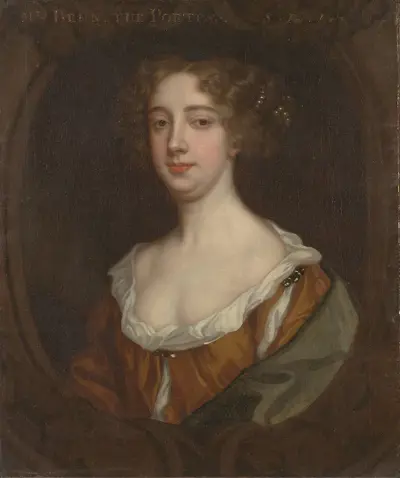
- Born: December 14, 1640
- Died: April 16, 1689
- Nationality: English
- Profession: Novelist, Dramatist, Poet
Aphra Behn was an English playwright, poet, translator and fiction writer from the Restoration era. As one of the first English women to earn her living by her writing, she broke cultural barriers and served as a literary role model for later generations of women authors. Rising from obscurity, she came to the notice of Charles II, who employed her as a spy in Antwerp. Upon her return to London and a probable brief stay in debtors' prison, she began writing for the stage. She belonged to a coterie of poets and famous libertines such as John Wilmot, Lord Rochester. She wrote under the pastoral pseudonym Astrea. During the turbulent political times of the Exclusion Crisis, she wrote an epilogue and prologue that brought her into legal trouble; she thereafter devoted most of her writing to prose genres and translations. A staunch supporter of the Stuart line, she declined an invitation from Bishop Burnet to write a welcoming poem to the new king William III. She died shortly after.
