William O. Douglas Quotes
We recognize the force of the argument that the effects of war under modern conditions may be felt in the economy for years and years, and that if the war power can be used in days of peace to treat all the wounds which war inflicts on our society, it may not only swallow up all other powers of Congress but largely obliterate the Ninth and the Tenth Amendments as well.
Douglas, William O. Majority opinion. Woods v. Cloyd W. Miller Co., 333 U.S. 138, Supreme Court of the US, 16 Feb. 1948, pp. 143-144.


What was to become the 14th Amendment was being discussed. Several of the most radical Republicans drafted language that would allow Congress to make any law regarding life, liberty or property, so that they could be sure that the States would not make their laws in a discriminatory manner. However, Hotchkiss and the majority wanted to be sure the laws were not discriminatory but they didn’t want Congress to have the power to make any law regarding life, liberty and property for every state. The current version of the 14th Amendment just prohibited discrimination in laws, not empowering the Federal Government to override the state governments in most important areas.


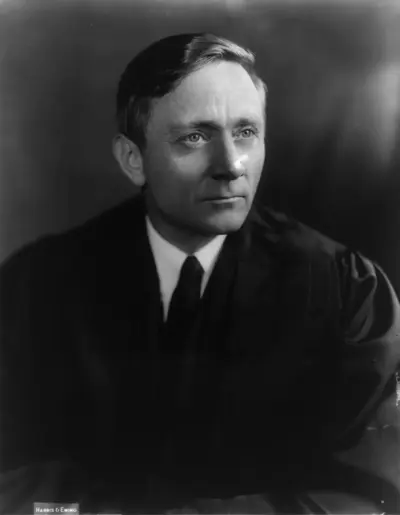
William Orville Douglas was an American jurist and politician who served as an associate justice of the Supreme Court of the United States. Nominated by President Franklin D. Roosevelt, Douglas was confirmed at the age of 40, one of the youngest justices appointed to the court. His term, lasting 36 years and 211 days (1939–75), is the longest in the history of the Supreme Court. In 1975, Time magazine called Douglas "the most doctrinaire and committed civil libertarian ever to sit on the court."
