Alan Keyes Quotes
We need to get rid of the 16th amendment, and return to the original system that funds government with a variety of tariffs and duties.


This was a typical argument in the 2012 battle between President Obama and the Republican conservatives. However, this was written 35 years earlier, when the exact same issue was polarizing politicians. The idea for taxing the rich more to reduce the deficit has been around since there was a Federal deficit. On most occasions the rich had enough political clout to avoid additional taxes for them and get the general public to pay instead of them. However, there have been times where they have not been able to avoid increased taxes. The New Deal lead by Franklin Delano Roosevelt and the Obama administration in 2013 were two such exceptions.

At the time, he, th richest man in America was paying a lower ta rate than his secretary, his employees and the waiter who served him lunch. The “Buffet Rule” was developed and named for him that said that wealthy people should pay a minimum rate of taxation regardless of tax credits, deductions and other means of tax avoidance.

The nation rejected the flat tax that was favored by conservatives in the 1930s. However, in the Republican Presidential Primary Campaign of 2000, candidate Steve Forbes made the flat tax a centerpoint of his campaign. He lost badly, but the idea caught on amongst some conservative Republicans, and has had some support since.

This early cry for a graduated income tax interestingly coupled it with a reduction of corporate taxes. The former became a major plank of the Democratic Party, and the latter of the Republicans. In America, third minor parties, even though they do not win elections sometimes do influence the political scene by putting ideas on the national agenda.


As a result of years of lobbying many vested interests were getting tax exemptions for their activities. Some of the richest corporations and people paid little or no taxes. This was like the old European monarchies where the dukes and nobles got tax exemptions from the king and the middle class and poor people paid a much larger percentage of their income and wealth than did the nobility. Fairness in taxation is very difficult in practice. See {633629}

There are a number of periods in American history when the highest marginal income tax rate for the very wealthy was over 90 percent. The highest marginal rate is not on total income but only on the excess above a threshold amount—based on 2010 dollars, the high rate would only be paid on the income OVER $3 million in that year. Reich was right in saying that some of the greatest growth spurts of the American economy occurred at times where the marginal tax rates were over 90 percent.
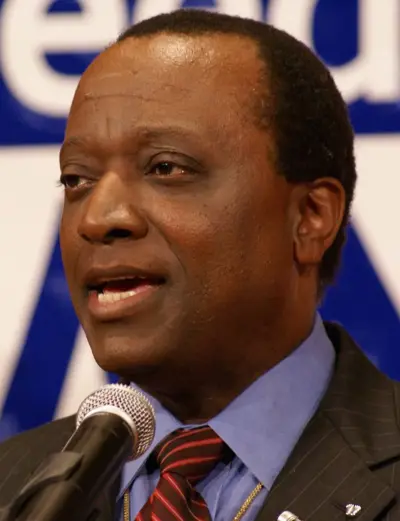
Alan Lee Keyes is an American conservative political activist, pundit, author and former ambassador.
