Ambrose Bierce Quotes
We hold these truths to be self-evident: that all men are
created equal; that they are endowed by their Creator with certain
inalienable rights; that among these are life, and the right to
make that of another miserable by thrusting upon him an
incalculable quantity of acquaintances; liberty, particularly the
liberty to introduce persons to one another without first
ascertaining if they are not already acquainted as enemies; and
the pursuit of another's happiness with a running pack of
strangers.
Bierce, Ambrose. The Collected Works of Ambrose Bierce, Volume XI. The Neale Publishing Company, 1912.

The preamble to this declaration of womens’ rights cleverly beginy s with the words of the Declaration of Independence with the single change that “all men” is replaced with “all men and women.” The message was clear. If the founders had a moral right and duty to revolt for these objectives women would be justified and duty bound to make similar efforts. That message terrified many men of the era.

It was drafted by John Adams. 9 Years later the French in their Revolution used the first clause in their Declaration of the Rights of Man and of the Citizen—See Quotation 602404 For an opposite point of view see Quotation 635927.


Jefferson had deliberately modified John Locke’s phrase “life, liberty and property.

This was written and adopted by Vermont a decade before the United States Constitution the ideas for which were in existence in America before the Constitutional Convention in Philadelphia.


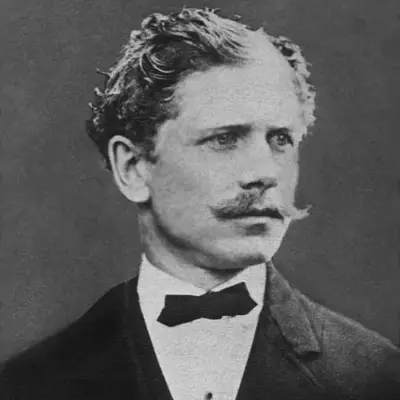
Ambrose Gwinnett Bierce was an American short story writer, journalist, poet, and Civil War veteran. His book The Devil's Dictionary was named as one of "The 100 Greatest Masterpieces of American Literature" by the American Revolution Bicentennial Administration. His story "An Occurrence at Owl Creek Bridge" has been described as "one of the most famous and frequently anthologized stories in American literature"; and his book Tales of Soldiers and Civilians (also published as In the Midst of Life) was named by the Grolier Club as one of the 100 most influential American books printed before 1900.
