Boutros Boutros-Ghali Quotes
We got involved in the Rwanda peace process for the simple reason that there was a decision which was taken by the Security Council, because the troops were in Uganda, and we decided to have a military presence.
Boutros-Ghali, Boutros. Interview. Frontline: Ghosts of Rwanda, PBS, 1 Apr. 2004.


His view, that America had no vested interest in Rwanda, was the prevailing thinking of the Republicans who controlled Congress and many of the Democrats as well. President Clinton considered intervention in Rwanda, but decided against it given all the opposition and little time to educate the American public to a different position. The result was the genocide in Rwanda where over 500,000 Tutsis were exterminated by the Hutus. Clinton, several years later not only admitted that he made a political and moral mistake, but officially apologized to Rwandan Tutsis who remained alive. He had intervened very successfully in Kosovo to prevent more murder of ethnic Muslims and was given a hard time politically by his opposition even though the brilliant effort cost no American lives. The United States and the UN, all bearing guilt for doing little in Rwanda, did help to set up the mechanism for the trials of the worst murderers and at least many of the most guilty were brought to justice.


The General’s plan was not accepted by the UN and the participating governments. The genocide was not abated.


In the latter years of the 20th century and into the 21st, United Nations peacekeepers had a woeful record of refusing to fight to defend the lives of captured civilians. From the Balkans to Africa thousands of civilians were massacred while United Nations peacekeepers did not interfere. Many physicians whose instincts were against violence were so frustrated by the cowardice and ineptness of UN peacekeepers that armed civilian resistance to armies was preferable.


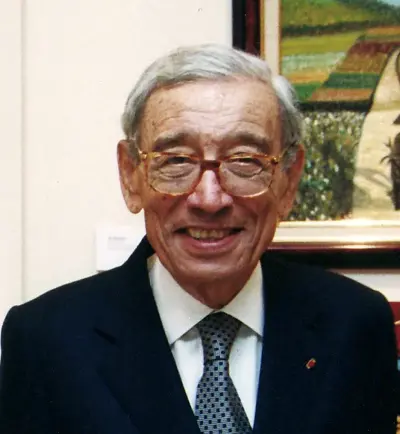
Boutros Boutros-Ghali was an Egyptian politician and diplomat who was the sixth Secretary-General of the United Nations (UN) from January 1992 to December 1996. An academic and former Vice Foreign Minister of Egypt, Boutros-Ghali oversaw the UN over a period coinciding with several world crises, including the breakup of Yugoslavia and the Rwandan genocide. He went on to serve as the first Secretary-General of the Organisation internationale de la Francophonie from 16 November 1997 to 31 December 2002.
