Edmund Burke Quotes
We found, or we thought we found, an inconvenience in having every man the judge of his own cause. Therefore judges were set up, at first, with discretionary powers. But it was soon found a miserable slavery to have our lives and properties precarious, and hanging upon the arbitrary determination of any one man, or set of men. We fled to laws as a remedy for this evil. By these we persuaded ourselves we might know with some certainty upon what ground we stood. But lo! differences arose upon the sense and interpretation of these laws. Thus we were brought back to our old incertitude.
Edmund Burke, 1729-1797, Irish Orator & Member of the British Parliament, Vindication of National Society, 1756
Sourced by: Eigen's Political and Historical Quotations


Many of our Founding Fathers held the view that the Jurors should decide not only about the facts but also they have the final decision on the law. The concept of the jury not following the judge’s interpretation and instructions as to the law is called Jury Nullification of which many of the founders approved. In modern times however, most states require the jury to accept the judge’s instructions as to the law, and the Jury’s only role is to decide on the facts. Maryland is the only state left which allows the jury to make the final decision on the law as well as the facts. However, many jurors will silently nullify the Judges instructions and vote accordingly as jurors need not explain their reasoning in most jurisdictions. See {641742}, {590841}, {591140} & {591139} for similar views by other Founding Fathers.

Justice Curtis resigned from the bench over the case.


At the time he was not an official of the bar association.


See John Marshall's later (1803) use of the concept and term "repugnant." {606483}


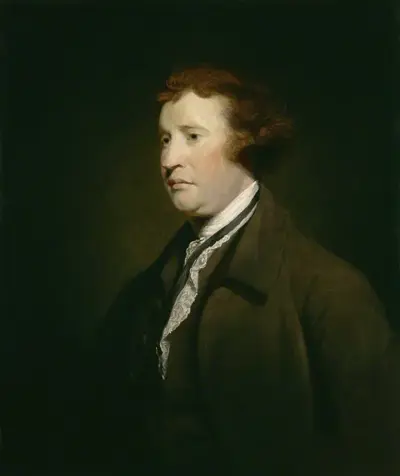
Edmund Burke was an Irish statesman, economist, and philosopher. Born in Dublin, Burke served as a member of parliament (MP) between 1766 and 1794 in the House of Commons of Great Britain with the Whig Party after moving to London in 1750.
