Evelyn Waugh Quotes
We can trace almost all the disasters of English history to the influence of Wales.
Waugh, Evelyn. Decline and Fall. Chapman & Hall, 1928, p. 116.


1st Earl Lloyd-George of Dwyfor. He was the Chancellor of the Exchequer at the time, but gave the English response to the Morocco crisis.


She was arguing with David Gergen about the impact of the ‘first’ female, religious or ethnic candidate for a particular office as making history. Crowley maintains that usually nothing really fundamentally changes as a result of the ‘first’ history making event.


Napoleon’s defeat and abdication took place at the same time and that was the major foreign policy news that effected Englishmen at the time. The War with America was strategically a side show. At the same time, the Americans ships had bested the English almost every time they fought (the biggest and best armed ships were needed for the European War with Napoleon so the English fought with second rate ships in the Atlantic). And although the English had the better of most of the land conflicts, the final Battle of New Orleans was such a humiliating, and one sided, rout of His Majesty’s army, that there was nothing politically to be gained by publicizing the facts of the war. The British government just wanted to negotiate a treaty ending the conflict with America and get on with the activity in Europe. The result is that the English people have never known very much about the War of 1812.


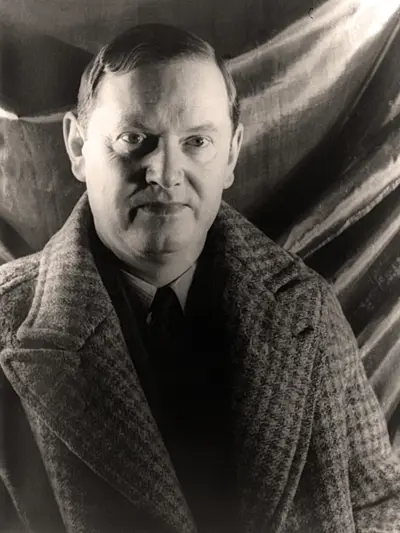
Arthur Evelyn St. John Waugh was an English writer of novels, biographies, and travel books; he was also a prolific journalist and book reviewer. His most famous works include the early satires Decline and Fall (1928) and A Handful of Dust (1934), the novel Brideshead Revisited (1945), and the Second World War trilogy Sword of Honour (1952–1961). He is recognised as one of the great prose stylists of the English language in the 20th century.
