George Mason Quotes
We came equals into this world, and equals shall we go out of it.
Mason, George. "Remarks on Annual Elections for the Fairfax Independent Company." 1775. The Papers of George Mason, 1725-1792, edited by Robert A. Rutland, vol. 1, University of North Carolina Press, 1970, p. 230.


He would not allow himself to be buried in a cemetery that would not allow Blacks. He was laid to rest in Shreiner's Cemetery, one of the very few racially integrated cemeteries at the time.


The power structure of England and the English administrators of South Africa were strong advocates of racial equality at the beginning of the 19th century. They insisted on equal administration of law. However the Boer white population could think of nothing more absurd. In a sense the Boers were much like the Southern Whites at the same time. The South African government however could not enforce its equality policies in the rural area – the majority of South Africa at the time. When democracy and self rule came to South Africa, the racially moderating force of the English was minimized and the majority of South Africans wanted a racially segregated society. Apartheid resulted.


He was running on the Bull Moose Party ticket. The “square deal” phrase was a major slogan of the campaign and had first been used earlier in 1903 and 1905. See {32586} and {32766}. The Smithsonian Institution has even preserved the audio of this quotation. See their website.


He was responding to Mississippi Congressman William Colmer-- {637395}. Southern racists frequently accused other members of Congress of being intimidated by civil rights leaders rather than voting for civil rights legislation out of conviction. Many of them, like Colmer, were so insular that revanchist that they did not realize that other whites could really believe that segregation was not a necessary and good thing.

This quotation many think is the greatest statement of political equality ever written. Interestingly is also lays an obligation on all people for all others. It was written by a privileged nobleman, a Baron, who was instrumental philosophically and politically in establishing the Batavia Republic in Holland.

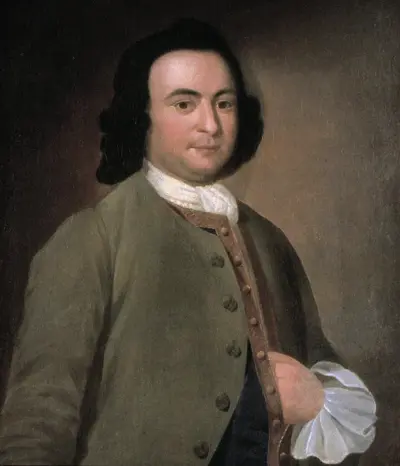
George Mason IV was an American planter, politician and delegate to the U.S. Constitutional Convention of 1787, one of three delegates who refused to sign the Constitution. His writings, including substantial portions of the Fairfax Resolves of 1774, the Virginia Declaration of Rights of 1776, and his Objections to this Constitution of Government (1787) opposing ratification, have exercised a significant influence on American political thought and events. The Virginia Declaration of Rights, which Mason principally authored, served as a basis for the United States Bill of Rights, a document of which he has been deemed a father.
