Andre Gide Quotes
We are readying ourselves to enter a long tunnel full of blood and darkness.
Andre Gide, 1869-1951, French Writer, Statement at the beginning of WWI, July 28, 1914
Sourced by: Eigen's Political and Historical Quotations


Burke did not mean that it was a war between Protestants and Catholics. In his time religious war was considered the most terrible of wars because there were virtually non-negotiable principles involved and the passions were so great. The emotional fervor of the French after the French Revolution was extreme in that they were bringing freedom to Europe.

This is one of the quotations from the Koran which many Islamic terrorists point to in order to morally justify terrorism. For an example, see {586965}.


“Lord Haw Haw” was the name that he used in his propaganda broadcasts from Germany to England. Despite the fact that the broadcasts were anti-British and pro German, many in Britain listened to him regularly. He was very witty and many of his criticisms of British society were views held by many patriots in Britain. As pure entertainment, he was better than most of the BBC broadcasts during WWII. At the end of the war, Joyce was captured, tried and executed for treason.


This was 8 years before the Russian Revolution.


At the time 18 year old Douglas wanted to enlist to fight in the Philippines where his father was about to be given military command. Young Douglas took his father’s prescient advice and attended West Point instead. In an amazing historical precursor, General Arthur MacArthur ended up in policy disputes with the President over how aggressive American tactics should be. President Taft relieved MacArthur of his command.


Everyone could see the First World War coming, but the government leaders and diplomats were not able to prevent it.
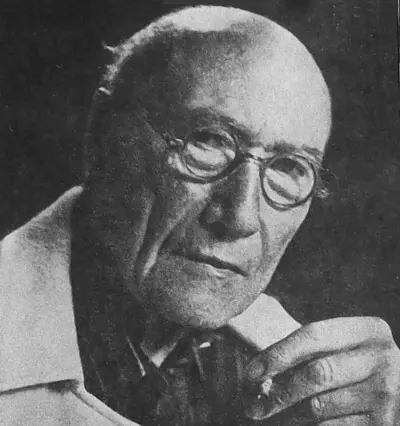
André Paul Guillaume Gide was a French author and winner of the Nobel Prize in Literature (in 1947). Gide's career ranged from its beginnings in the symbolist movement, to the advent of anticolonialism between the two World Wars. The author of more than fifty books, at the time of his death his obituary in The New York Times described him as "France's greatest contemporary man of letters" and "judged the greatest French writer of this century by the literary cognoscenti."
