Gene Sperling Quotes
We are borrowing cheaply because we are the best looking horse in the glue factory.
At the time there was a worldwide recession and although the United States economy was not in very good shape, it was better than the other democracies and those nations with better economies then were authoritarian governments where investors did not trust their currencies. As a result, many wealthy people and businesses throughout the world were willing to lend money to the United States as a safe haven.
Gene Sperling, Director of the National Economic Council (Democrat), National Journal Seminar on the “Fiscal Cliff”, October 16, 2012
Sourced by: Eigen's Political and Historical Quotations


The Clinton budget was a very unusual one. He and Treasury Sectary Robert Rubin determined that the large deficit built up in the previous administrations and the high interest rate were competing with the private sector for investment capital. Therefore the budget raised taxes and took other steps to reduce the largest deficit then in American History. Virtually all of the Republicans saw disaster for the economy with this budget and even some of the fiscal conservatives from Clinton’s own party were opposed. The budget passed by a single vote in the House, and that started the largest economic growth period in American History. The economy became so strong that Clinton was able to produce a balanced budget, eliminate the Reagan deficit and produce more new jobs than any administration in American history. The prediction that the budget would cause the country to fail was, not only wrong, but the budget caused the nation to succeed, beyond what any thought possible. See {626772} for one of the warnings from his own party.


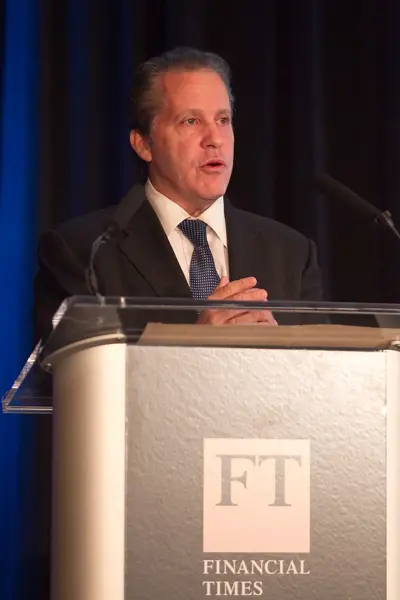
Eugene B. "Gene" Sperling is an American economist, who was director of the National Economic Council and assistant to the president for economic policy under Presidents Bill Clinton and Barack Obama. He is the only person to serve as national economic advisor under two presidents. Outside of government, he founded the Center for Universal Education at the Brookings Institution in 2002.
