William Jennings Bryan Quotes
Wars are sometimes waged to extend trade-the blood of many being shed to enrich a few.
Bryan, William Jennings. "Imperialism." 8 Aug. 1900, Indianapolis, IN. Published in Speeches of William Jennings Bryan, Vol. 2, Funk & Wagnalls, 1909.


See Prince Otto von Bismarck-Schoenhausen {632620} for a similar focus on "iron and blood". This is no coincidence as Lindemann had been the Captain of the Battleship Bismarck.


Prior to whites settling in America, various Indian tribes had a long history of fierce fighting for control of Kentucky. The Transylvania Land company negotiated for the “rights” to Kentucky. Dragging Canoe, who opposed the treaty, argued that the land had a bad history and would be very difficult to settle. Poet Theodore O’Hara described Kentuckians as “Sons of the Dark and Bloody Ground” in his poem, The Bivouac of the Dead.


While Queen Mary was presenting medals to British soldiers during World War I, she said this to a soldier who had exclaimed “No more bloody wars for me”.
Part of French Sudan—now Mali. This was a Province of the Fulani Islamic Empire, Bambara, of the Greater Sudan. Despite fierce resistance, the French prevailed and colonized the territory. Muntaga, the brother of the Tukulor Islamic ruler Amhadu , provided a great example of the fiery rhetorical style which survives to this day in much of the Islamic world.


the new nation of South Sudan The President was under indictment as a war criminal by the international Court in the Hague. He had difficulty understanding any other language that of the gun.
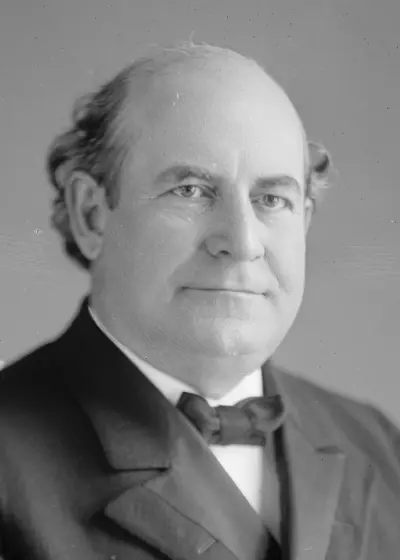
William Jennings Bryan was an American orator and politician from Illinois and Nebraska. Beginning in 1896, he emerged as a dominant force in the Democratic Party, running three times as the party's nominee for President of the United States in the 1896, 1900, and 1908 elections. He also served in the United States House of Representatives and as the United States Secretary of State under Woodrow Wilson. Because of his faith in the wisdom of the common people, he was often called "The Great Commoner".
