Klemens von Metternich Quotes
To me the political game did not at all seem to answer the needs of the time.
Klemens von Metternich, 1773-1859, Austrian Statesman & Diplomat, Letter to Francois Guizot from Vienna, June 15, 1847
Sourced by: Eigen's Political and Historical Quotations


Louis Eugene Walcott


Grant was so disgusted by Johnson’s performance and pandering to the former slave owners of the South that he ran for the presidency and became Johnson’s successor.


He had been offered a Cabinet position in Washington. He had been a respected judge in Ohio and was only tangentially involved with politics. What he did see of it he did not like. However, others pressed upon him his duty to help the country and he took the position. But he was never comfortable or even very skilled and the political end of Cabinet service but he was extremely skilled at the administrative and policy making aspect. Theodore Roosevelt personally selected him to be his successor and Roosevelt get him elected. Even when he was President, he rarely enjoyed it and was not very good at the political end of things which caused Roosevelt to be disappointed and then campaign against Taft’s second term.

He was not very good at it. Taft was an excellent Supreme Court Justice, and had good management skills, but could never get the hang of relating to people—the electorate or the Congress. He is the only major party presidential candidate to come in 3rd, and he was the incumbent. Administratively, he had not been a bad President but his poor people skills required him to pander to the right wing base of his own party and this angered his former mentor Theodore Roosevelt who ran against Taft in the Republican primary. Taft moved to the right still further and so angered TR that he ran against Taft as an independent in the general election. Woodrow Wilson won, but Roosevelt came in second and beat Taft handily.


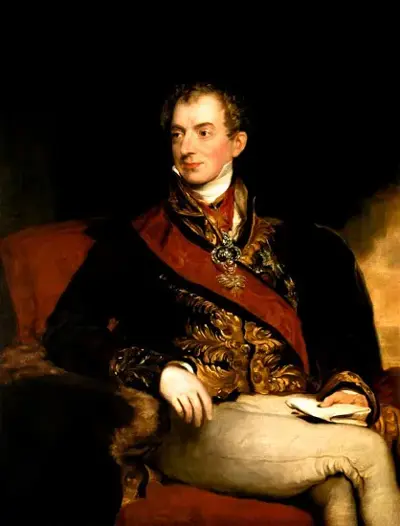
Klemens Wenzel Nepomuk Lothar, Prince of Metternich-Winneburg zu Beilstein, was an Austrian diplomat who was at the center of European affairs for three decades as the Austrian Empire's foreign minister from 1809 and Chancellor from 1821 until the liberal Revolutions of 1848 forced his resignation.
